
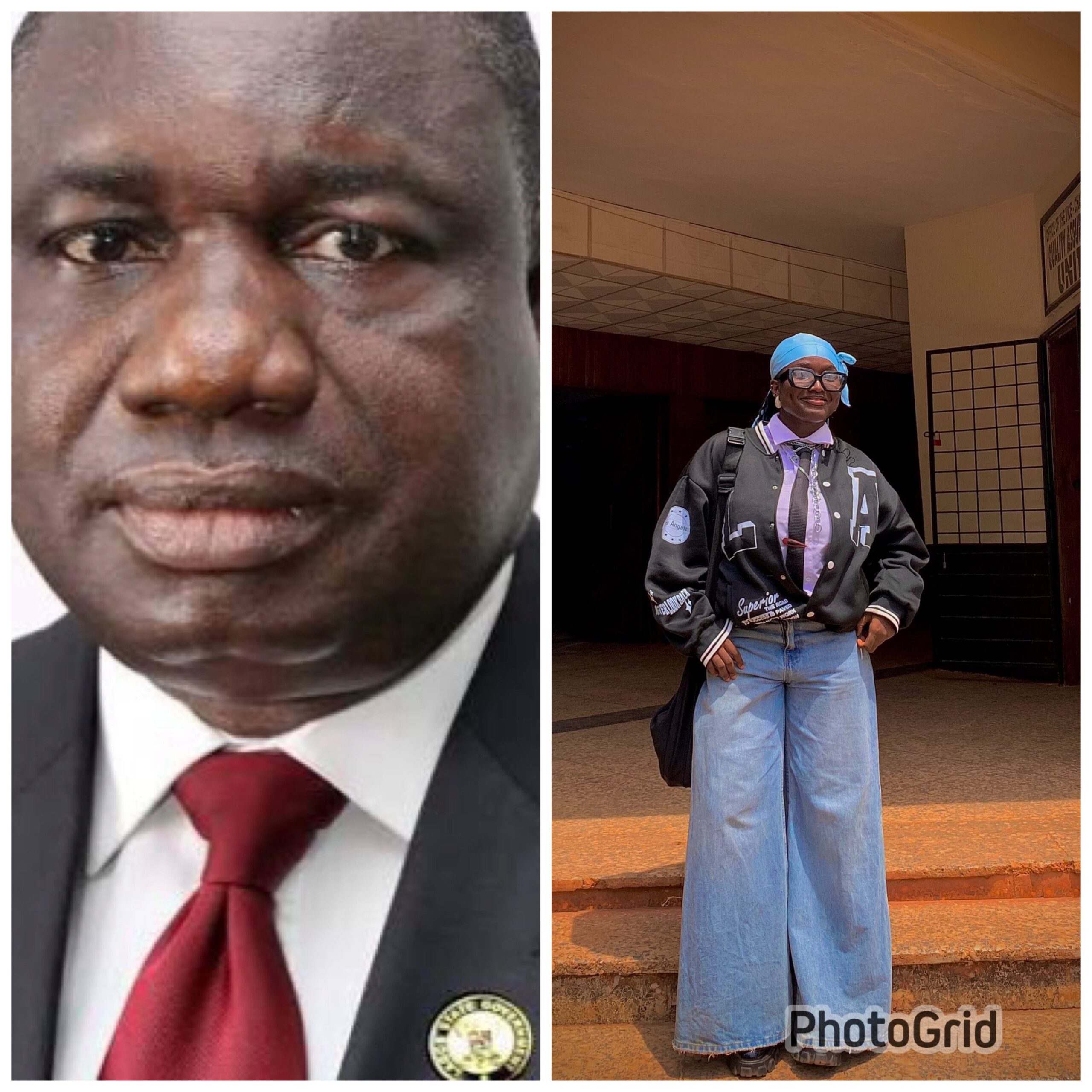
Omotoso then addressed the phone call itself, the leaked audio that had become the centerpiece of the accusations against him. He revealed that he made the call not out of favoritism toward a non-indigene, but because he received credible reports that some individuals were mobilizing to physically assault the young woman. His intention, he insisted, was purely de-escalation, to prevent violence, not to take sides. What he did not know at the time, and later discovered, was that those reports of an impending mob attack were false. He had acted on intelligence that turned out to be manufactured.
The Commissioner went further, accusing Ella of selectively editing their conversation to create a misleading impression. Key portions of their discussion, including exchanges that would have contextualized his remarks, were cut from the clips she shared. The public was shown fragments designed to paint a picture of government bias while the full conversation told a different story entirely.
Throughout the session, Omotoso did not dodge the uncomfortable questions. He acknowledged that his actions, however well-intentioned, may have left many Lagosians feeling abandoned by their own government. He promised to issue a formal public apology to anyone who felt hurt or sidelined by the incident, emphasizing that such a outcome was never his intent.
The scale of the audience, over 9,000 participants, underscored just how deeply this issue had resonated. For weeks, the narrative had been controlled by snippets and screenshots. Now, for the first time, the full picture emerged, and it was far more complex than the viral outrage suggested.
What became clear by the end of the night was that the Ella BRT saga was never about buses or transportation policy. It was about something far more dangerous: the weaponization of half-truths in an age where clicks matter more than context, where narratives are built on what is cut out rather than what is included.
Ella built a following on selective editing. Omotoso now has over 9,000 witnesses to the full story.
The Commissioner has promised to issue his formal apology in the coming days. But for those who sat through the two-hour session, the record has already been set straight. The truth, it turns out, was hiding in the parts they didn’t show you.