
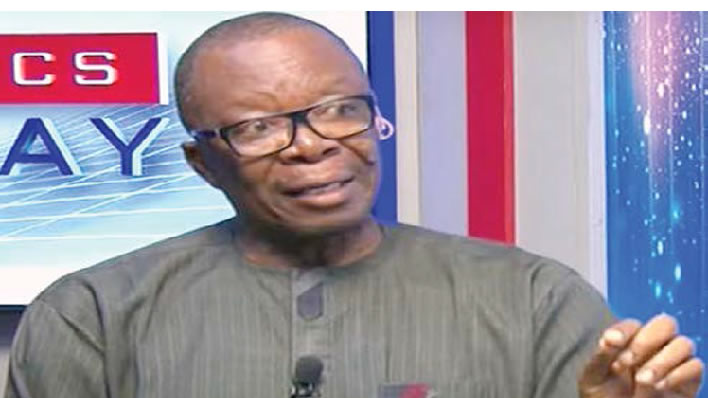
The Academic Staff Union of Universities (ASUU) on Wednesday said it would continue to embark on industrial action until the government meets its demands.
Subsequently, the union is against any plan by the Tertiary Education Trust Fund to include private universities in the country as beneficiary institutions of its projects.
The President of ASUU, Prof Emmanuel Osodeke, made the union’s position known at a 2-day interactive session between TETFund and all unions of beneficiary institutions.
Osodeke maintained that such a move would lead to the proliferation of private universities devoid of quality.
While commending TETFund on delivery, he urged the fund to work more on the monitoring method of its projects across the country, stressing that the level of performance by the beneficiary institutions was not in tandem as some of them received the same amount of money.
He also called on TETFund to apply sanctions on non-performing institutions and advocate for the abolition of what he referred to as the “stakeholders fund”.
According to him: “ASUU will continue to embark on strike until the right thing is done in our tertiary institutions. Stakeholders fund should be abolished”.
Earlier in his welcome address, the Executive Secretary of TETFund, Sonny Echono, disclosed that the interactive session was conceived as a proactive engagement against the backdrop of the prevailing challenges in the sub-sector.
Echono noted that the engagement was also for the purpose of sustaining steady growth and development of tertiary education while stressing the need to consistently engage and challenge one another on how best to improve the situation.
“It is our fervent hope that this interactive session will provide an enabling environment for us to understand some of our challenges and difficulties in the delivery of quality education in our institutions and thereby make meaningful contribution to the successful execution of the objective of the Fund.
“As you all know our primary mandate is to rehabilitate, restore and consolidate Tertiary Education in Nigeria, using funding alongside project management.
“The session is also expected to serve as a platform to discuss and mitigate incidences of industrial disputes in the tertiary education sector and look at ways to prevent and avoid their occurrences,” he said.
Echono further stated that the interactive session would afford the opportunity to build and solidify cooperation and collaboration between the fund, its beneficiary institutions and the unions on matters that affected the growth and development of tertiary education in Nigeria.
“As stakeholders and partners, we intend to share with you all that we have done and continue to do,” he added.
On his part, the former President of Nigeria Labour Congress, Comrade Ayuba Wabba, who spoke on ‘The Role of Trade Unions in TETFund Intervention Activities’, commended the fund for its strident commitment to the elevation of university education and experience for both lecturers, non-academic workers and the student population in various campuses all over the country.
Wabba noted that the NLC had benefited a great deal from the ideological clarity and consistency of the unions in the tertiary institutions.
“The patriotic and historical resistance of the Congress against the debilitating influence and impact of neo-liberal policies of successive government in Nigeria drew a lot of inspiration and verve from the intellectually sound positions advanced by unions in our tertiary institutions,” he said.