
October 7, 2025
By Tobi Akinnubi
The National Bureau of Statistics (NBS) has released its latest report on Internally Generated Revenue (IGR), revealing that Nigeria’s 36 states and the Federal Capital Territory (FCT) collectively generated ₦3.6 trillion in the 2023 fiscal year.
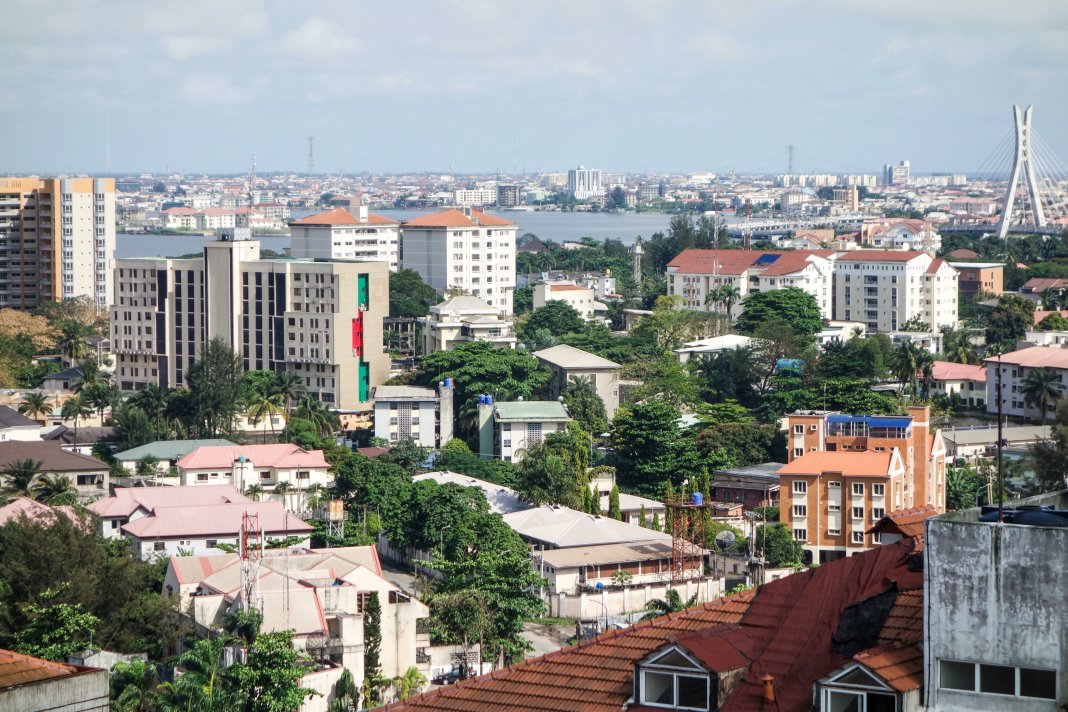
According to the report, Lagos State maintained its position as the nation’s leading revenue-generating state, contributing the highest share to the total figure. The state’s performance further underscores its dominance as Nigeria’s commercial and economic hub.
Other top-performing states included Rivers, FCT, Ogun, and Delta, all recording significant revenue growth compared to the previous year.
The NBS report highlighted that the total IGR figure represents a steady improvement in subnational revenue generation, driven by taxes, levies, and other internally sourced funds across the states.
Meanwhile, states with lower revenue figures were urged to strengthen their tax administration systems, explore new economic sectors, and reduce dependence on federal allocations.
The data provides key insight into Nigeria’s fiscal landscape, showcasing how states are adapting to economic realities and diversifying their income sources amid fluctuating federal revenues.