
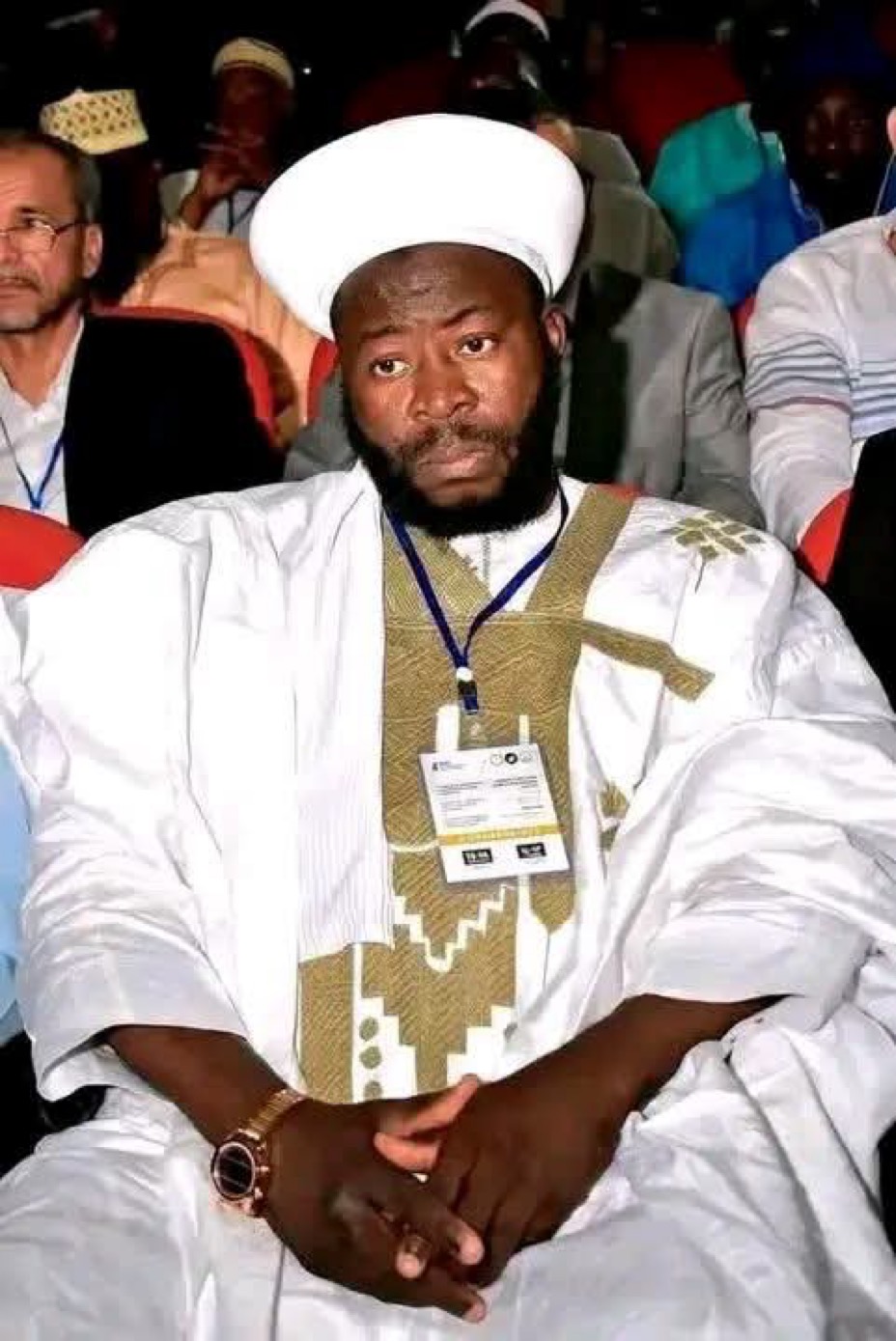
The Mufty of Iwo has ignited a firestorm of controversy after urging Muslims in Oke-Ogun, Oyo State, to unite behind producing a Muslim governor, while reportedly declaring that a “kafiri” (non-Muslim) should not be elected as Oba, local government chairman, or state governor. The statement, which has since gone viral, was made during a religious gathering in Iwo, Osun State, where the Islamic cleric called on Muslims to ensure that only candidates of the Islamic faith are elected into political offices in Oyo State. “Do not elect a kafiri as your governor, Oba, or local government chairman,” he reportedly said, using the Arabic term for non-believer or infidel.
The remarks have drawn sharp condemnation from religious leaders, human rights advocates, and political figures, who have described them as divisive and unconstitutional. Critics argue that the call violates the principles of religious freedom and democratic inclusion enshrined in the Nigerian Constitution. The Nigerian Constitution guarantees every citizen the right to vote and be voted for, regardless of their religion. This kind of rhetoric is dangerous and should be condemned by all well-meaning Nigerians, said a human rights activist.
Supporters of the Mufty have defended his comments, arguing that Muslims have the right to advocate for candidates who share their faith. However, opponents have accused him of inciting religious intolerance and undermining the secular nature of the Nigerian state.
The Mufty’s comments come amid heightened political tensions in Oyo State ahead of the 2027 elections. The Oke-Ogun region, which has a significant Muslim population, is considered a key battleground for political parties. The Oyo State Government has yet to issue an official response to the controversy. The Mufty of Iwo has not clarified or retracted his comments.
Social media users have been divided over the Mufty’s remarks. While some have supported his call for Muslim unity, others have accused him of promoting religious bigotry. “This is the kind of rhetoric that divides us as a nation. We must reject it,” one user wrote. “The Mufty has the right to express his views, but he must be careful not to incite hatred,” another user commented.