
December 30, 2024
By Ayinde Adeleke
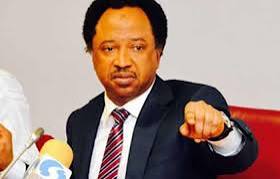
A former Nigerian Senator, Shehu Sani, has made a startling revelation about Kaduna State’s recent past.
According to Sani, Kaduna State was essentially an apartheid state under the previous Government, marked by stark divisions and discriminatory practices.
He revealed this on his X page formerly called twitter.
Sani’s comments are a scathing critique of the previous administration’s handling of affairs in Kaduna State.
He argues that the state was characterized by a systemic marginalization of certain groups, particularly those from Southern Kaduna.
“There were people who were silent when Buhari was fielding political offices with his kinsmen, and have now found their voice to speak out when the equation doesn’t favor them,” Sani said in a statement.
Sani’s assertion is a clear reference to the perceived nepotism and favoritism exhibited by the previous administration.
Many have accused the Government of prioritizing the interests of certain groups over others, creating a culture of exclusion and marginalization.
“Kaduna was an apartheid state for eight years,” Sani declared, emphasizing the gravity of the situation.
This statement is particularly significant, given the connotations of apartheid as a system of institutionalized segregation and discrimination.
The implications of Sani’s comments are far-reaching. If true, they suggest a fundamental failure of Governance and a betrayal of the public trust. The people of Kaduna State, particularly those from marginalized communities, deserve answers and accountability.
Sani’s statement serves as a reminder of the need for greater accountability and inclusivity in governance. His comments also highlight the importance of speaking out against injustice, even when it’s convenient to remain silent.