
By Ademola Adekusibe
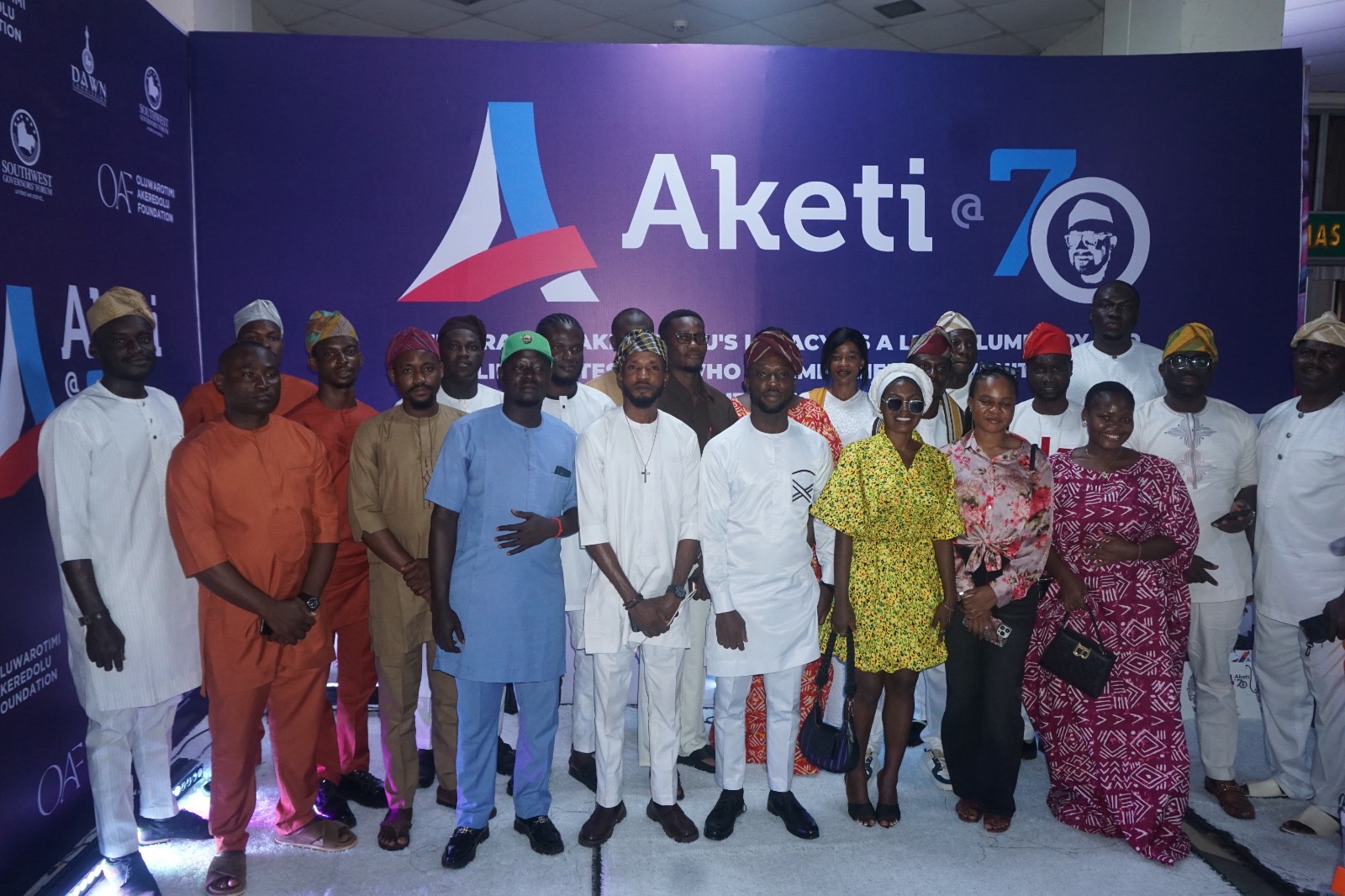
Think Yoruba First (TYF) attended the Aketi@70 Colloquium at the International Conference Centre, University of Ibadan, as stakeholders renewed calls for the full implementation of State Policing in Nigeria.

The colloquium, organised to commemorate the posthumous 70th birthday of late Ondo State Governor, Arakunrin Oluwarotimi Akeredolu, focused on the theme, “Fundamentals and Governance of State Policing: Towards a New Architecture for National Security in Nigeria.”
TYF joined political leaders, government officials, security experts, academics, traditional rulers and other stakeholders at the event, which examined the future of policing and the need for a security architecture that can respond more effectively to local security challenges.
The organisation used its participation to reinforce its support for the full implementation of State Policing, while stressing the importance of ensuring that the proposed system genuinely reflects the communities it is established to protect.
TYF believes qualified indigenous people should be given priority in recruitment into State Police formations within their respective states, alongside professional standards, proper training, background checks, accountability and respect for human rights.
According to the organisation, local policing is more effective when security personnel understand the language, terrain, culture, traditional institutions and communities where they operate. Such local knowledge, it argues, can strengthen intelligence gathering, community trust and the ability of security agencies to respond quickly to emerging threats.
The position also reflects the wider argument behind State Policing, which is that security responsibilities should not be excessively concentrated at the federal level when many security challenges are deeply local in nature.
The Aketi@70 Colloquium provided an opportunity for stakeholders to examine practical questions surrounding State Police, including funding, recruitment, training, equipment, regulation and accountability.

For TYF, however, establishing State Police should not simply mean creating new commands without addressing who serves in them and how closely those officers are connected to the communities they protect.
The organisation maintains that giving qualified indigenous people a meaningful place within State Police formations can help build greater confidence between security personnel and local communities, provided recruitment remains professional, transparent and subject to appropriate oversight.
TYF’s participation at the Aketi@70 event therefore formed part of the organisation’s broader engagement with discussions around regional security, governance and the development of institutions capable of responding to the realities of local communities.

As the debate over State Policing continues, TYF is calling for a system that combines professional policing with local knowledge, community representation and strong accountability, with the ultimate objective of making security more responsive to the people.