
By Ademola Adekusibe
November 4, 2025.
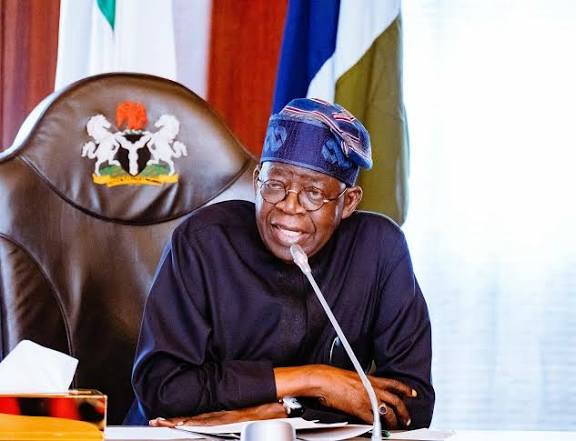
President Bola Tinubu has requested Senate approval for a fresh N1.150 trillion loan to support the implementation of Nigeria’s 2025 budget.
The request was contained in a letter read by Senate President Godswill Akpabio during plenary on Tuesday.
According to the president, the facility will be sourced from the domestic debt market. He explained that the additional borrowing became necessary due to the expanded size of the 2025 budget.
Tinubu said the request was made in line with Section 44 (1) and (2) of the Fiscal Responsibility Act, which mandates legislative approval for new borrowings.
After reading the letter, Akpabio referred the proposal to the Senate Committee on Local and Foreign Debt for further consideration and directed it to report back within one week.
This latest borrowing request comes just six days after the National Assembly approved the president’s plan to secure a $2.3 billion external loan, also integrated into the 2025 budget.
The external borrowing is expected to be raised through one or a combination of Eurobond issuance, loan syndications, bridge-finance facilities, or direct borrowing from international financial institutions.
Four months earlier, the president also obtained approval for $21.5 million and ¥15 billion in loans, alongside a €65 million grant, as part of the federal government’s 2025–2026 external borrowing plan.
According to the Debt Management Office (DMO), Nigeria’s total public debt stood at N144.7 trillion as of December 31, 2024. Of this amount, N74.4 trillion represents domestic debt, while N70.3 trillion is external debt.
The federal government spent N7.8 trillion on debt servicing in 2023, representing a 121 percent increase from the N3.52 trillion recorded in 2022. The figure rose further to N13.12 trillion in 2024, a 68 percent year-on-year increase.
Despite concerns over the country’s growing debt burden, the Tinubu administration maintains that borrowing remains necessary to finance infrastructure and development projects amid dwindling revenue.
Nigeria is currently operating two active budgets within the same fiscal year, the capital component of the 2024 budget, which has been extended to December 2025, and the N54.2 trillion 2025 budget.
However, several ministries and agencies have complained about poor fund releases, with reports indicating that only about 40 percent of the 2024 capital budget has been implemented.