
By Ademola Adekusibe
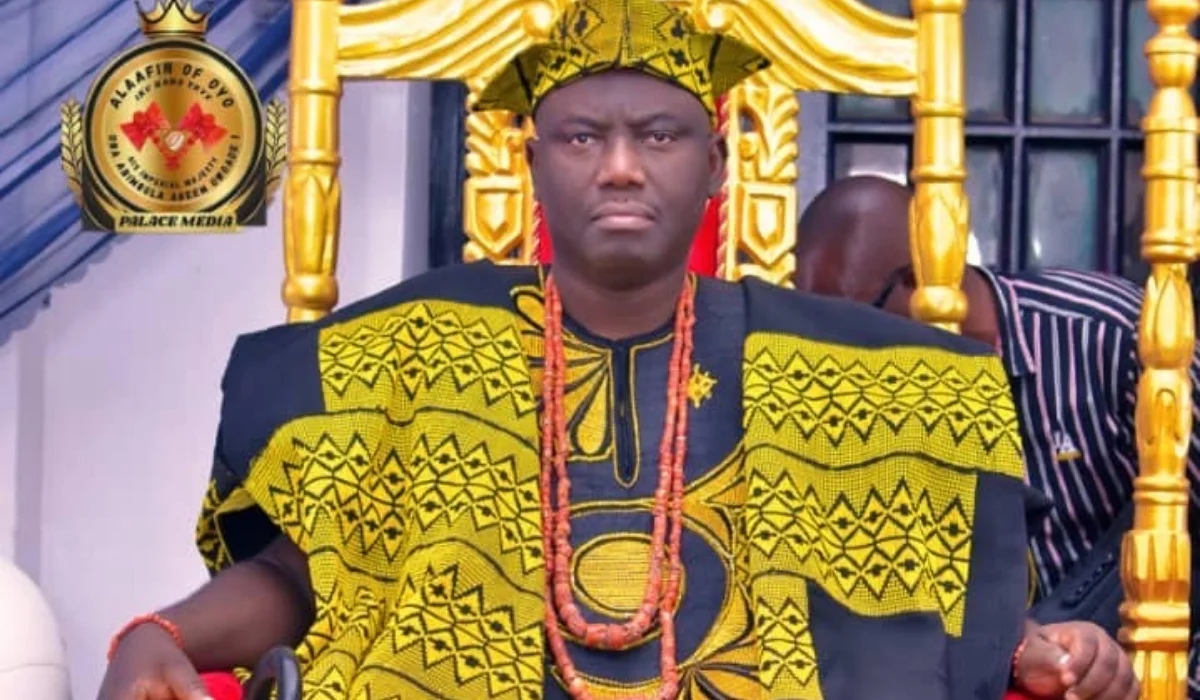
The ancient city of Oyo is preparing to welcome an estimated 60,000 visitors for the maiden Oyo Empire Day celebration in December, as the Alaafin of Oyo, Oba Akeem Owoade, seeks to reconnect descendants of the old Oyo Empire with their ancestral roots.
The three-day event is expected to attract about 20,000 attendees daily and bring together people from different parts of Nigeria, neighbouring West African countries and the wider diaspora who share historical connections with the old Oyo Empire.
Chairman of the Oyo Empire Day Central Working Committee, Dr Adekunle Ogunmola, disclosed the attendance projection during a media interaction at the Alaafin’s Palace. He explained that the initiative was conceived by the Alaafin as an annual platform for people of Oyo ancestry to reconnect with their families, celebrate their shared heritage and explore opportunities for cultural and economic development.
Ogunmola said the celebration would not be limited to Oyo-Atiba or the immediate community. Instead, it is designed as a broader ancestral homecoming for people and communities with historical links to the old Oyo Empire, including parts of Kwara, Ogun, Osun, Ondo, Ekiti, Lagos and Kogi states, as well as the Republic of Benin, Togo and the wider diaspora.
He also clarified that the initiative was not intended to impose Oyo identity on other communities but to provide a platform for people to explore their historical connections while respecting their distinct identities.
To support returning visitors, the organisers said more than 100 ancestral family compounds in Oyo had already been sensitised to receive descendants. A large identification map or banner is also expected to be installed in front of the palace to help visitors locate their family compounds and trace their ancestral connections.
The committee announced that Oyo Empire Day would become an annual event held on the third Thursday, Friday and Saturday of December, a schedule intended to support long-term planning and ensure the celebration continues beyond its maiden edition.
The programme will combine traditional performances, historical exhibitions, academic discussions, theatre, youth activities and royal ceremonies.
The opening day will feature a carnival-style procession from Owode to the Alaafin’s Palace, with cultural displays including Gelede, Egungun, Sekere, Dundun and Bata performances, Ijala chants and horse riding.
The Alaafin is expected to formally declare the celebration open, while performers will portray the first five Alaafins based on historical records. A replica of Oyo-Ile, the historic capital of the old Oyo Empire, will also be displayed within the palace complex.
The second day will focus on history, scholarship, theatre and youth engagement. Lectures and colloquia will examine the legacy of the Oyo Empire, while a theatrical performance of Ajagunla, the historical work associated with the late dramatist Duro Ladipo, will form part of the programme.
Youth-oriented entertainment will also feature, including a performance by an international musician of Oyo ancestry.
The grand finale will take place at Durbar Stadium, where royal, cultural, family and community parades are planned to bring the three-day celebration to a close.
Professor Akin Alao of Emmanuel Alayande University of Education, Oyo, disclosed that an academic colloquium titled “Oyo Empire: Yoruba Identity, Empire and Civilisation” would form part of the event.
Participating institutions are expected to include Emmanuel Alayande University of Education, Ajayi Crowther University, Ladoke Akintola University of Technology, Bowen University, the University of Ilorin, Kola Daisi University and the University of Ibadan.
The academic component is expected to provide an opportunity for scholars to examine the political organisation, historical influence and cultural contributions of the Oyo Empire, as well as its place in Yoruba and wider West African history.
Beyond the cultural programme, the projected attendance could create opportunities for local businesses, including hotels, restaurants, transport operators, artisans, food vendors, fashion designers and other service providers. The arrival of visitors from across Nigeria and abroad is also expected to increase attention on Oyo’s historical sites and cultural attractions.
For the organisers, the long-term ambition is to establish Oyo Empire Day as a major annual homecoming that promotes historical awareness, family reconnection, cultural preservation, tourism and economic development.
The maiden celebration will therefore serve as an early test of the initiative’s ability to bring together people whose ancestral histories are connected to the old Oyo Empire, while creating a platform for future cultural and academic engagement.
With preparations underway and organisers projecting tens of thousands of attendees, Oyo is positioning the event as more than a conventional festival: a gathering intended to reconnect descendants with their roots and renew interest in the history and heritage of the ancient kingdom.