
By Ademola Adekusibe
Coastal communities in Ilaje Local Government Area of Ondo State have called on the Federal Government to investigate the reported realignment of the Lagos-Calabar Coastal Highway, alleging that the proposed change could leave several communities outside the major infrastructure project.
The Ilaje Omuro Community Connect (IOCC), in a statement issued on Sunday and signed by its lawyer and representative, Babatunde Omobone, urged President Bola Tinubu, the National Assembly and relevant anti-corruption agencies to examine the circumstances surrounding the reported route
The organisation, which said it represents more than 1,000 people of Ilaje origin, also demanded an independent engineering assessment, a review of the financial implications of the alternative routes and the public release of documents explaining the government’s decision.
The controversy centres on reports that the highway’s proposed alignment through Ondo State has been moved away from parts of the Ilaje coastline towards an inland corridor through Edo State.
The group argued that the change could undermine the economic benefits expected from the coastal highway, particularly for communities already facing poor transport infrastructure, coastal erosion and limited access to economic opportunities.
It challenged the Minister of Works, David Umahi, to provide detailed technical explanations for the reported decision to move the route away from the proposed coastal alignment.
According to the organisation, the Federal Ministry of Works should publish the relevant feasibility studies, geotechnical investigations, environmental impact assessments and comparative cost estimates for both the original and alternative routes.
The group also questioned whether the government had adequately examined the engineering possibilities of constructing the highway through the Ilaje coastal environment before deciding on another alignment.
It cited previous road projects in the area, including the Igbokoda-Ugbonla road project undertaken by the Ondo State Oil Producing Areas Development Commission and a road project along the Ugbonla-Awoye axis reportedly awarded by the Niger Delta Development Commission in 2010.
The organisation argued that these projects raised questions about claims that the coastal terrain would make the proposed highway alignment impracticable or excessively expensive.
It called for an independent review by qualified engineering professionals to assess the technical feasibility, construction costs, environmental implications and long-term economic benefits of both routes.
While acknowledging that environmental, safety and engineering considerations could justify changes to a road’s alignment, the group maintained that any decision to exclude the Ilaje coastline should be supported by verifiable evidence and explained publicly.
The organisation also questioned why the highway could pass through coastal areas in Lagos and Ogun states but reportedly bypass sections of Ondo State’s coastline without a comprehensive public explanation.
Beyond the route dispute, IOCC warned that excluding the affected communities could limit their access to markets and discourage investment in fisheries, agriculture, tourism, trade and logistics.
It identified Abereke, Orioke, Magbehinwa, Idiogba, Mese, Ayetoro and Awoye-Odofado among communities facing environmental challenges, including coastal erosion and seawater incursion, which it said threaten homes, fishing grounds, livelihoods and cultural heritage.
The group called on the Federal Government to conduct a comparative assessment of the proposed and alternative alignments, including construction costs, environmental effects, projected economic benefits and value for public money.
It also urged the Economic and Financial Crimes Commission to investigate any credible evidence of corruption, abuse of office or improper influence connected with the route decision or related contracts.
However, the organisation stressed that its demand for an investigation should not be interpreted as a declaration that any individual or institution had committed wrongdoing.
IOCC further called for consultations involving affected residents, traditional institutions and civil society organisations before the government finalises the highway’s alignment.
The group said its position was not opposed to national infrastructure development or the participation of other states in the project, but insisted that the interests of Ilaje communities should receive fair consideration.
“The Ilaje people are Nigerians. Ondo State is an integral part of the Nigerian federation. The coastal communities of Ilaje deserve to be considered fairly in decisions concerning a major national coastal highway,” the statement said.
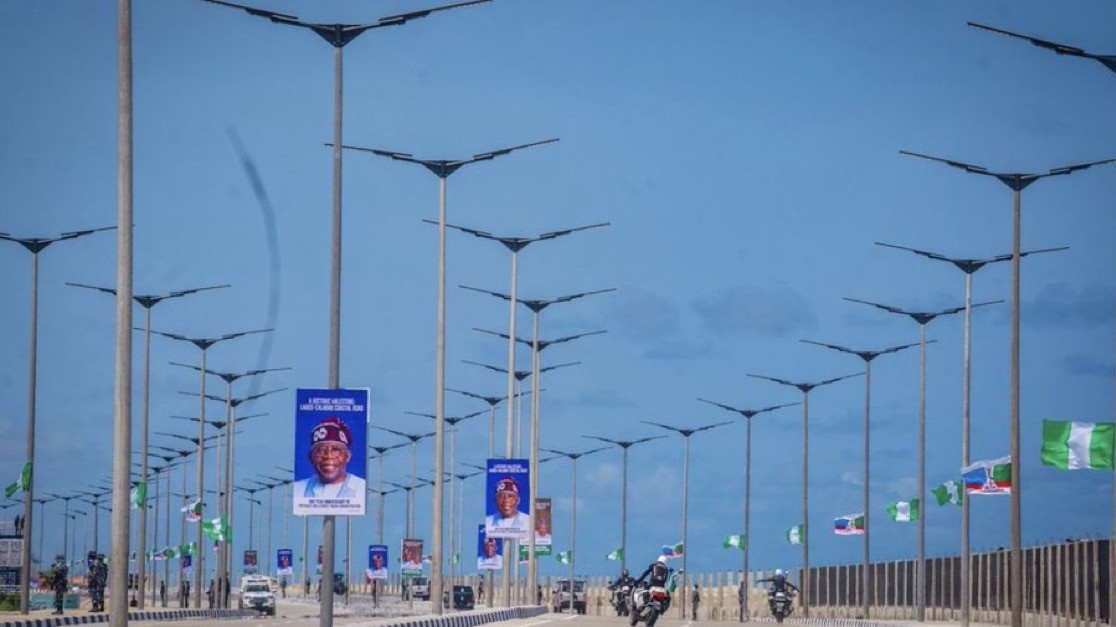
The Lagos-Calabar Coastal Highway is one of the Federal Government’s major infrastructure projects, designed to connect communities and economic centres along Nigeria’s southern coastline.
The reported route change has generated opposition from stakeholders in Ondo State, who argue that moving the highway inland could deprive coastal communities of the connectivity and economic opportunities anticipated from the project.
The Federal Government’s position, as previously stated by Umahi, is that engineering challenges encountered along parts of the proposed coastal alignment informed the decision to move sections of the route inland.
The minister has cited difficult ground conditions, including deep deposits of weak soil known as peat, as significant obstacles that could increase construction costs and complicate work along the original alignment.
The dispute has therefore raised questions about the technical justification for the proposed route, the economic implications for affected communities and the level of transparency surrounding decisions on a major national infrastructure project.
IOCC is asking the Federal Government to provide the evidence behind its decision, subject the competing routes to independent technical scrutiny and ensure that affected communities are consulted before the final alignment is determined.