
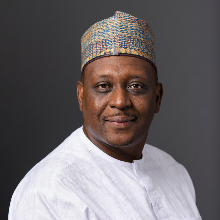
The Coordinator Minister of Health and Social Welfare, Prof. Ali Pate, on Wednesday, said the Federal Government was committed to investing in health data infrastructure, and capacity building to overcome dire health challenges, especially in tackling Neglected Tropical Diseases and engaging multi-sectoral approach in combating Antimicrobial Resistance.
Pate stated this at the on-going 73rd session of the World Health Organisation Regional Committee for Africa in Botswana, according to a statement signed by the Director of Press at the Federal Ministry of Health, Patricia Deworitshe.
NTDs are a diverse group of 20 conditions that are mainly prevalent in tropical areas, where they affect more than 1billion people who live in impoverished communities.
These diseases are “neglected” because they are almost absent from the global health agenda, receive little funding, and are associated with stigma and social exclusion.
Nigeria is one of the most endemic countries in the world for NTDs.
The NTDs in Nigeria include elephantiasis, soil-transmitted helminthiasis, river blindness, trachoma, schistosomiasis, snakebites, leishmaniasis, Human African Trypanosomiasis, mycetoma, rabies, leprosy, yaws, fascioliasis, scabies.
Prof Pate, who was represented at the event by the Permanent Secretary of the ministry, Kachollom Daju, said the government was taking vital steps towards addressing issues of AMR which posed a grave threat to human, animal and environmental health in the region.
He revealed the government’s ability to build and maintain suboptimal capacity in generating and managing health data which resonates deeply with the nation’s experiences.
“As we strive to build robust health information systems, we recognise the imperative of timely, accurate and comprehensive data to guide our policies and interventions,” he said.
While acknowledging the achievements and progress outlined in the 2022/2023 annual report of the WHO African Region, he stated that the report underscored the collective efforts in advancing health and well-being across the continent, particularly during the COVID-19 pandemic.
He maintained that some of the giant strides made in the Nigerian health sector as captured by the report included the collaborative response to the COVID-19 pandemic aligning with the pursuit of the Universal Health Coverage.
“We have excelled in immunisation, which is pivotal in public health landscape, the integration of vaccines – APV vaccine, typhoid conjugate vaccine, and malaria vaccine will mark a significant leap forward. These steps align with our commitment to preventing diseases that have long burdened our communities,” Pate added.
He noted that WHO’s support in strengthening national health systems centered around primary healthcare has fortified Nigeria’s capacity to manage health crisis and provide essential services.