
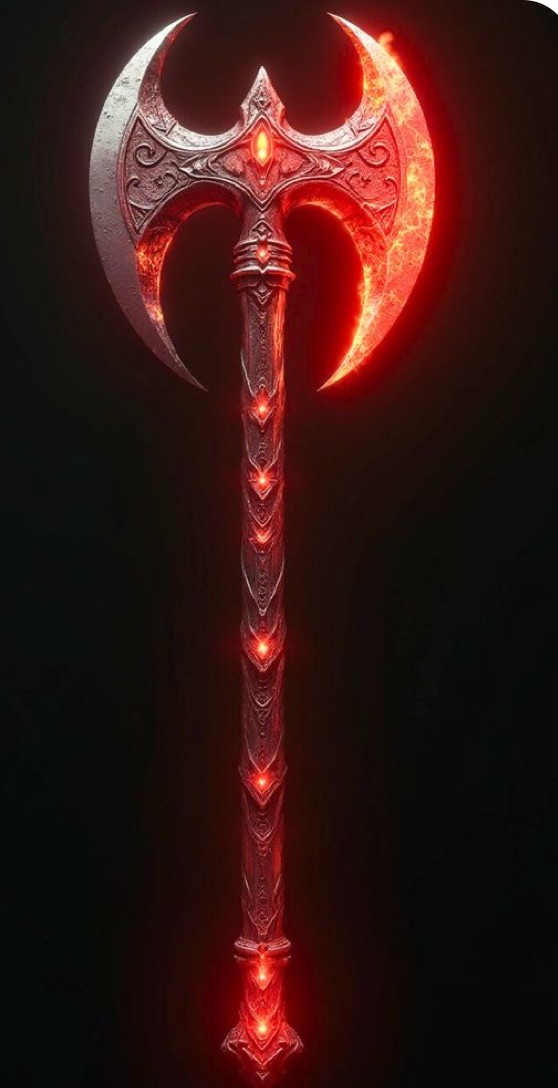
…..The return of Oşé Ṣàngó which symbolizes justice and equity
June 15, 2025
By Ayinde Adeleke
Brazil has taken a historic step towards recognizing its rich Yoruba-Brazilian heritage by incorporating the Oşé Ṣàngó, the double-headed axe of Ṣàngó, into its courtrooms.
The symbol of justice, equity, and balance has been officially adopted by several courts, including the High Court of Law in Rio de Janeiro.
The Oşé Ṣàngó’s presence in courtrooms is seen as a transformative step towards restoring cultural and spiritual equilibrium.
“The presence of Osé Ṣàngó in this courtroom is not merely symbolic—it is transformative,” said Justice Ademilson at the ceremony. “It restores a cultural and spiritual equilibrium that has long been denied in our institutions.”
The integration of the Oşé Ṣàngó aims to bring balance and harmony to the judicial environment, recognizing Brazil’s deep Afro-descendant heritage and respect for religious diversity. IDAFRO, the Institute for the Defense of Afro-Brazilian Religions, championed the initiative, advocating for equal visibility and recognition of Afro-Brazilian cultural identity.
The Oşé Ṣàngó carries a legacy that aligns with judicial values, symbolizing the ideal fusion of secular and sacred authority. Its inclusion introduces equilíbrio, a balance between different religious traditions, reflecting Brazil’s plural society.
The movement has reached the Supreme Federal Court, where IDAFRO has submitted a petition urging the court to sanction the installation of the Oşé Ṣàngó alongside the crucifix.
This initiative challenges historical erasures and offers a vision of justice that embraces multiple cosmologies.
As Hédio Silva, founder of IDAFRO, notes, “To recognize the Ọ̀ṣẹ́ Ṣàngó in our courts is to say that justice is not only universal but also deeply local—rooted in the ancestral wisdom of our people.” Bahia is expected to follow Rio’s example, with discussions underway to incorporate the Oşé Ṣàngó into its courts.