
October 03, 2024
By Samuel Ogunsona
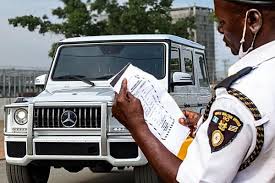
A Federal High Court in Abuja has made a landmark ruling, declaring that the Vehicle Inspection Office (VIO) and related authorities have no legal authority to stop vehicles, impound or confiscate them, or impose fines on motorists.
Justice Evelyn Maha delivered the judgment on October 2, in a fundamental rights enforcement suit filed by human rights activist Abubakar Marshal (FHC/ABJ/CS/1695/2023).
The court’s ruling specifically affects the Directorate of Road Traffic Services (VIO), the Director of Road Transport, the Area Commander, Jabi, the Team Leader, Jabi, and the Minister of the FCT.
According to the judgment, these entities are not empowered by any law or statute to stop vehicles on the road, impound or confiscate vehicles, impose fines on motorists
Justice Maha declared that such actions are “wrongful, oppressive, and unlawful.”
The court further issued a perpetual injunction restraining the respondents, their agents, and assigns from violating Nigerians’ rights to freedom of movement, presumption of innocence and also right to own property without lawful justification.
This landmark ruling is a significant victory for motorists and human rights advocates, who have long argued that the VIO’s practices are unconstitutional and exploitative.
The judgment reinforces previous court rulings, including a Delta State Appeal Court decision that VIOs have no business inspecting vehicle papers on Nigerian roads, and an Akwa Ibom high court ruling that impounding vehicles and imposing penalties for alleged traffic offenses by VIOs is unconstitutional.
This decision is expected to have far-reaching implications for road users and law enforcement agencies in Nigeria, emphasizing the importance of protecting citizens’ rights and ensuring that authorities operate within the bounds of the law.