
Thursday, April 30, 2026
FB X LI YT
Breaking
BREAKING πŸ‡³πŸ‡¬βš–οΈ: Army Exposes Alleged Coup Plot – Financial Trails, Secret Meetings Uncovered Jandor withdraws from Lagos 2027 guber race, aligns with Tinubu’s endorsement of Hamzat Tinubu approves N2 billion relief for victims of Jos killings β€” Presidential intervention intensifies after Palm Sunday massacre Police dismiss ASP Nuhu Usman over killing of Mene Ogidi, hand over for criminal prosecution β€” “Justice is now underway” “Stay out of Oyo affairs” β€” Think Yoruba First fires warning at Nonentity Igbo group over comments on Olubadan stool, political matters “Genocidal and diabolical” β€” Think Yoruba First blasts Farooq Kperogi over claims that Ilorin, Shao, Jebba are not Yoruba towns πŸ‡³πŸ‡¬πŸ“š Ridwan Ajayi emerges new NANS JCC Lagos chairman after 5-5 tiebreaker vote β€” 10 tertiary institutions participated πŸ‡³πŸ‡¬πŸ“œ 130 CIVIL SOCIETY GROUPS PETITION KWARA GOVERNOR OVER DELAY OF BAALE’S UPGRADE LETTER β€” ACCUSE COMMISSIONER OF BLOCKING ELEVATION ON OBAS’ ORDERS!
NEWS

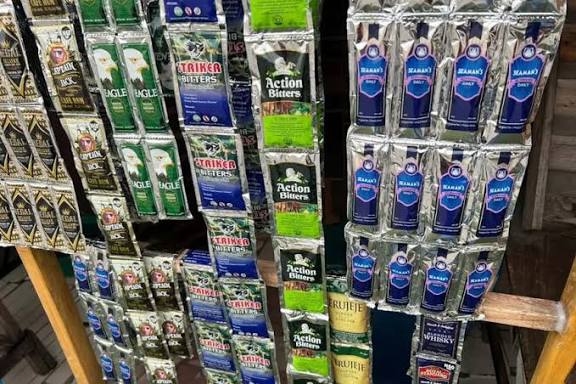
NAFDAC to Enforce Ban on Sachet Alcohol by December 2025

November 11, 2025 1 min read

November 11, 2025
By Ayinde Adeleke

The Director-General of the National Agency for Food and Drug Administration and Control (NAFDAC), Prof. Mojisola Adeyeye, has reiterated that the ban on the production and sale of alcoholic beverages in sachets and small-sized bottles will take full effect by December 2025.

Addressing journalists at a press briefing in Abuja on Tuesday, Adeyeye said the decision is aimed at protecting public health, particularly among youths and commercial drivers.

β€œThis ban is not punitive; it is protective. It is aimed at safeguarding the health and future of our children and youth,” she said, noting that no extension of the enforcement deadline will be granted.

Adeyeye explained that the affordability and portability of high-alcohol-content sachet beverages have contributed to increasing misuse and addiction, especially among underage drinkers.

She added that the policy is backed by scientific research and public health data, despite objections from some manufacturers and industry stakeholders.