
The adoption of a common time zone is essential to the complete decolonisation of Yorùbá lands and the unification of all split territories under one Yorùbá Nation.
The Yorùbá people are one of the largest ethnic groups in Africa, with a rich cultural heritage spanning centuries. The Yorùbá people are predominantly found in Nigeria, Benin, and Togo. However, the Yorùbá people have a shared history and cultural identity, which spans all these countries. Despite this shared heritage, we have been separated by the transatlantic slave trade, colonialism, and artificial borders, resulting in a fragmented community. One way to bring us back together is through the adoption of a common time zone — Yorùbá Land Time (YLT), GMT +1 — across their territories and relations.
The adoption of a common time zone is essential to the complete decolonisation of Yorùbá lands and the unification of all split territories under one Yorùbá Nation. The concept of time is a powerful tool for social and cultural integration. The shared use of time can help to bridge the gap between people from different regions, create a sense of belonging, and foster cultural unity.
The adoption of YLT would not only serve as a means of cultural unification but also as a practical tool for coordinating business, education, and other activities across different regions of Yorùbá Land. It will also serve as an inclusive policy for diplomacy, tourism, and relations with Yorùbá influence in Latin America and Caribbeans.
Currently, Yorùbá people across different regions use different time zones, which can create confusion and make the coordination of activities difficult. By adopting a common time zone, we will be able to work more efficiently and effectively, and this will translate into greater economic and social development for the entire Yorùbá community.
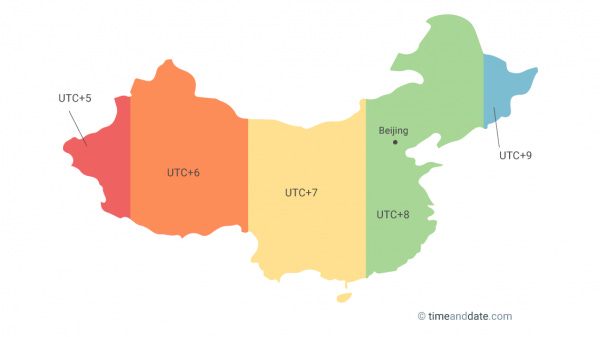
In theory, China could have five time zones, but in 1949, the country moved to have only one official time zone, Beijing Time.
Yorùbá Land Time also has the potential to bring together all Yorùbá territories. There are several Yorùbá territories that are currently separated by colonial borders, which have divided the Yorùbá community and resulted in the fragmentation of our culture. By adopting a common time zone, we can start to break down these artificial borders and work towards the unification of all Yorùbá territories under one nation.
Our people have a long history of working together and collaborating across borders. Our traders have been doing business across West Africa for centuries, and this has helped to spread our culture across the region. With YLT we would build on this tradition of collaboration and cooperation and create new opportunities for Yoruba people to work together, regardless of where they are located.
Adopting YLT is not without its challenges. One of the main challenges is the need to coordinate with different countries and regions to ensure that the adoption of the time zone is smooth and seamless. However, with the support of Yorùbá leaders and communities across the region, it is possible to overcome these challenges and bring about the adoption of Yorùbá Land Time.