
By Comrade Ufezime Nelson Ubi
January 04, 2025
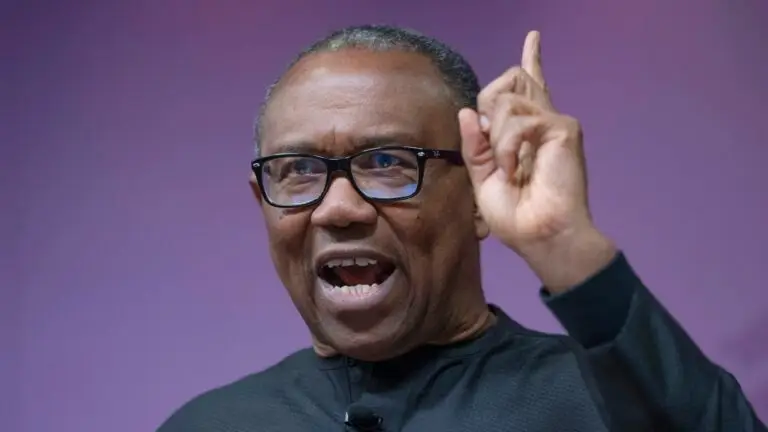
As a career politician, Obi has operated within the same political framework that has enabled corruption and exploitation.
The quest for true leadership in Nigeria demands that we critically examine every candidate vying for the highest office in the land. Peter Obi, often marketed as a beacon of hope, has long been part of the very system that has stifled Nigeria’s progress. A closer look at his political trajectory reveals that he is not the revolutionary leader Nigerians need but a recycled politician deeply embedded in the failed establishment.
Peter Obi’s tenure as governor of Anambra State is often portrayed as exemplary, but a deeper dive into his record tells a different story. While he is praised for his frugality and purported fiscal discipline, his administration fell short in addressing the structural challenges that continue to plague the state. Poverty, unemployment, and infrastructural decay persisted, revealing a governance style that prioritized surface-level optics over transformative change.
As a career politician, Obi has operated within the same political framework that has enabled corruption and exploitation. His affiliations with political parties that have perpetuated Nigeria’s woes highlight his inability or unwillingness to break from the status quo. Rather than offering bold, innovative solutions, Obi represents a continuation of the system that prioritizes personal ambition over national development.
Obi’s narrative as a successful businessman-turned-politician is also worth interrogating. Governance is far more complex than balancing spreadsheets or cutting costs. Nigeria requires a leader with the capacity to inspire, unite, and implement policies that address the nation’s deep socio-political and economic challenges. Obi’s reliance on corporate-style leadership fails to account for the human-centered approach necessary to uplift millions of Nigerians trapped in poverty.
Moreover, Obi’s interactions with influential figures from Nigeria’s controversial past raise red flags about his commitment to real change. Aligning with or seeking endorsements from individuals who played significant roles in Nigeria’s decline suggests that his priorities may align more with preserving the old guard than dismantling it.
Nigerians cannot afford to gamble on a leader who represents recycled politics and old methods of governance. The challenges Nigeria faces require fresh, bold leadership untainted by the failures of the past. Peter Obi’s candidacy, while packaged as progressive, does not offer the radical departure needed to rescue the nation from decades of systemic dysfunction.
The time has come for Nigerians to reject recycled politicians and embrace leaders who genuinely embody innovation, accountability, and a vision for the future. The nation’s survival depends on breaking free from the chains of the past and charting a new course led by individuals untainted by the failures of previous administrations. Peter Obi is not the answer. Instead, Nigerians must look beyond the façade and choose leaders committed to real, transformative change.
Source: SaharaReporters