
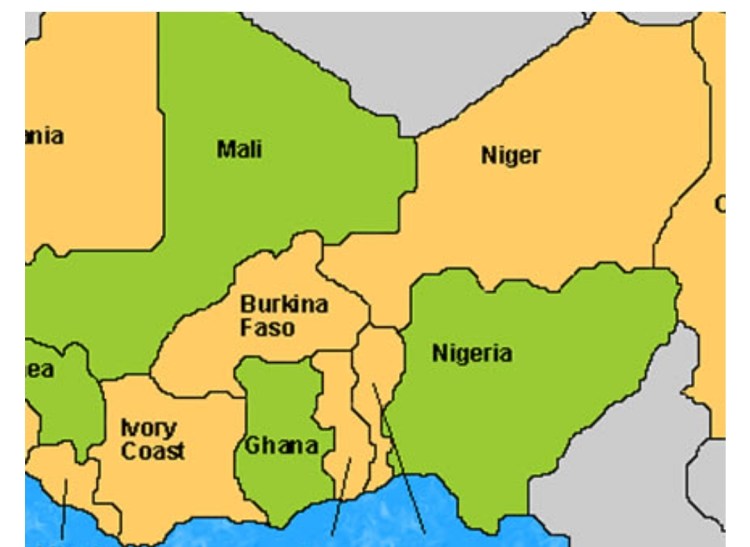
Weather experts have warned that over 50 million people in West Africa and the Sahel region may experience food crisis between June and October.
A representative of the Agriculture, Hydrology and Meteorology Research Centre, Abdou Ali, stated this during the seasonal forecasting workshop for the Agro-hydro-climatic characteristics of the rainy season for the Sahelian and Sudanian zones of West Africa, in Abuja on Monday.
Ali attributed the anticipated food crisis to factors like insecurity, inadequate food production, and a delayed start to the rainy season.
He suggested that countries in the regions could mitigate the crisis by reforming their food production systems.
Ali noted, “We have many problems in the region – insecurity, bad food production and we are currently not in the rainy seasons”, adding “We, however, have a tool that assesses the number of people under food crisis. According to the analysis by the Permanent Interstate Committee for Drought Control in the Sahel (CILSS) and its partners, a very large number of people would be in a food crisis in the region from June to October if appropriate measures were not taken.
“We have made an assessment and for this year, we have a very big number of people that would be affected compared to last year where about 37 million people were affected in the region.
“This year, more than 50 million people will be in food crisis in the region during the upcoming lean season from June to October if appropriate measures are not taken to manage the situations.”
Ali further stated: “each country needs to mobilise funds, activate contingency plans, call for assistance from partners, and also provide food where necessary to manage the crisis,” saying “there is a need to increase the food-producing system.”
To address the potential food crisis, the Director-General, Nigerian Meteorological Agency, Charles Anosike, announced that the agency had begun distributing its seasonal rainfall predictions to stakeholders through social media, television, and radio platforms.
He said adherence to early warnings would prevent loss of resources, especially by farmers.
“We are informing Nigerians early to know what to do to address the issues and we hope that adherence will mitigate the impact of flooding and other disasters. So, we encourage our citizens to heed the warning because it is real,” Anosike said.
Also, a representative of the World Meteorological Organisation, Roland Abah, highlighted that climate change posed a significant threat to development in the region.
He noted that in 2024, the World Economic Forum ranked extreme weather as the most significant current risk to the global economy.
Abah noted “the year 2023 was confirmed by WMO as the warmest on record and the past nine years were the warmest on record.
“This warming trend has continued in 2024 from January to March and we are all witnesses to the dynamics of temperature and humidity parameters in West Africa and the Sahel.”
Abah reported that $8.5 billion was lost in Africa in 2022 because of weather-related disasters, saying, “The State of Climate in Africa Report 2022 revealed that more than 110 million people on the African continent were directly affected by weather, climate, and water-related hazards in 2022, causing more than $8.5bn in economic damages.”