
December 21, 2024
By Ayinde Adeleke
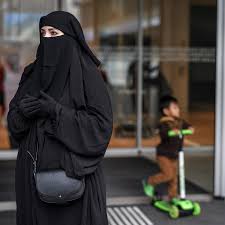
Switzerland is set to implement a nationwide ban on face coverings, which will come into effect on January 1, 2025. The ban, which was approved by Swiss voters in a national referendum, prohibits the wearing of face coverings in public places, including streets, public buildings, and public transportation.
Under the new law, individuals who violate the ban will face fines of up to $1,000.
The ban applies to all types of face coverings, including masks, veils, and headscarves, although there are some exceptions for certain medical and professional purposes.
The ban on face coverings has been a topic of controversy in Switzerland, with some arguing that it is necessary to promote integration and social cohesion, while others see it as an infringement on individual freedoms and religious rights.
Supporters of the ban argue that it will help to promote a sense of community and social inclusion, as well as prevent the spread of extremist ideologies.
They also argue that the ban is necessary to ensure that individuals can be identified and held accountable for their actions.
On the other hand, opponents of the ban argue that it is discriminatory and unfairly targets Muslim women who wear the hijab or niqab as part of their religious practice.
They also argue that the ban is unnecessary and that existing laws are sufficient to address any concerns about public safety or security.
Despite the controversy, the Swiss government has confirmed that the ban will come into effect on January 1, 2025, and that it will be enforced by the authorities. It remains to be seen how the ban will be implemented in practice and what impact it will have on individuals and communities in Switzerland.