
January 29th, 2025
By Abiodun Adeleke
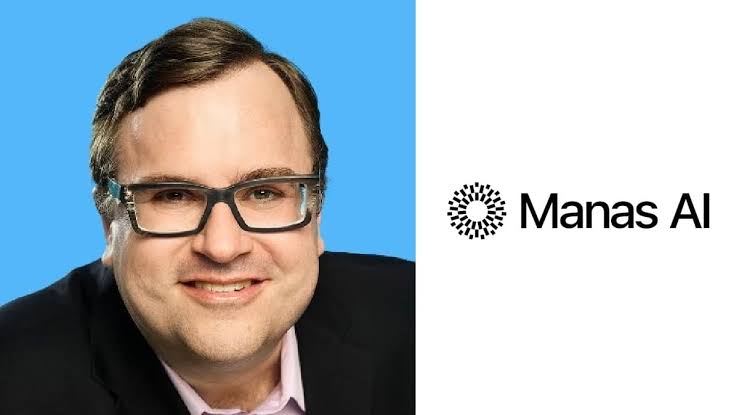
Tech entrepreneur and investor Reid Hoffman’s latest venture, Manas AI, has closed $24.6 million in funding for its mission to revolutionize cancer drug discovery with artificial intelligence. This cutting-edge biotech startup is looking to use AI-driven solutions to accelerate the development of lifesaving treatments.
AI-Powered Drug Discovery
Manas AI is focused on solving one of the most challenging areas in medicine: cancer treatment. The idea is to apply artificial intelligence to identify potential drug candidates much more quickly and efficiently. Conventional drug discovery is an extremely long and expensive process, often taking years before a viable drug actually hits the market. AI-powered models can significantly reduce this time by analyzing massive datasets, predicting drug interactions, and optimizing molecular structures.
Hoffman, the co-founder of LinkedIn and one of the most high-profile supporters of AI, is sure that Manas AI is able to disrupt the pharmaceutical industry. “AI has the potential to revolutionize healthcare, and by applying it in drug discovery, we can unlock new possibilities for cancer treatment,” he said.
Funding and Strategic Goals
The $24.6 million funding round was led by prominent venture capital firms, including Greylock Partners and Andreessen Horowitz, signaling strong investor confidence in Manas AI’s vision. The funds will be directed toward:
- Expanding AI research and development efforts
- Partnering with pharmaceutical companies and research institutions
- Hiring top AI and biotech talent
- Conducting clinical validation studies
Hoffman emphasized that collaboration with industry leaders will be key to scaling Manas AI’s impact. “We’re not just building algorithms; we’re building partnerships that will bring AI-driven solutions to the real world,” he said.
Challenges and Future Prospects
At the same time, there are certain roadblocks, like regulatory clearance, data reliability, and interoperability of AI with already existing health management systems. Yet, the blend of machine learning with progressive medical research puts Manas AI well in place in the competition within the space of AI-biotech.
That’s what the experts predict-AI will increasingly become key in personalized medicine, which involves offering treatments to patients according to their genetic profiles. If Manas AI succeeds, it could be in a position to lead the way for breakthroughs that improve cancer survival rates many times over.
Manas AI is a bold step by Reid Hoffman in the direction of making AI and healthcare come together. Having acquired $24.6 million in funding, with a very clear future ahead, this company is likely to make massive strides in finding new cancer drugs. As AI continues to reshape industries, its potential to revolutionize medicine brings hope to millions of people worldwide who have been suffering from cancer.