
By Ademola Adekusibe
September 11, 2025
The Southeast was thrown into chaos this week after a viral WhatsApp message allegedly from the Indigenous People of Biafra (IPOB) ordered residents to stay indoors. Markets were closed, roads emptied, and schools suspended. Though IPOB later denied issuing the directive, the disruption had already caused massive losses. Yoruba traders in Aba, Enugu, and Onitsha reported significant financial setbacks, while daily wage earners went hungry.
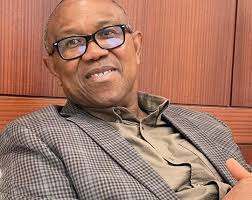
Amid the turmoil, one voice that has been notably absent is that of Peter Obi.
For months, Obi has been relentless in his criticisms of the Tinubu-led government, sharply attacking economic policies, governance failures, and rising inflation. Yet, when it comes to IPOB and its recurring sit-at-home threats that directly cripple communities, Obi remains silent.
This silence is drawing intense scrutiny. If Obi does not support IPOB, why has he failed to publicly condemn its tactics with the same fervor he directs at Tinubu? Why is he outspoken when addressing Lagos policy reforms but appears mute as the Southeast grapples with fear and economic paralysis?
Observers warn that IPOB’s continued influence is bolstered by this kind of silence from prominent leaders. Each day that figures like Obi fail to speak out, communities lose businesses, students fall behind in education, and residents live under constant anxiety.
Many Nigerians are asking tough questions: If Peter Obi cannot take a stand against IPOB now, what guarantee exists that he would act decisively if elected president? Can a leader who picks battles selectively truly safeguard national stability and unity?
As the Southeast struggles to recover from yet another disruption, the absence of Obi’s voice has become a focal point of public debate. Citizens are demanding clarity, urging him to address the crisis with the same intensity he reserves for government critique.
The question remains: Will Obi speak up before fear becomes a permanent shadow over the region?