
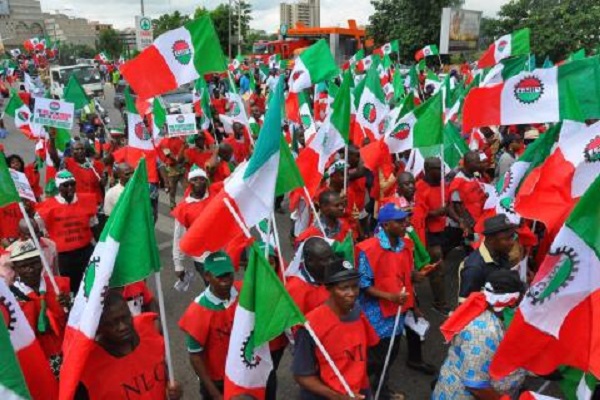
The Nigeria Labour Congress (NLC) has said it has put machinery in motion for a 2-day nationwide protest slated for February 27 and February 28, 2024.
NLC National President, Joe Ajaero, said the protest would begin a week after the expiration of the 14-day ultimatum it issued to the Federal Government which will expire on February 23.
Ajaero, who spoke during a briefing with journalists in Abuja, said the decision followed an emergency National Executive Council meeting on the state of the economy and matters related to insecurity in the country.
On February 8, the NLC and the Trade Union Congress gave a 2-week ultimatum to the government to meet demands ranging from wage increase to improved access to public utilities and accused it of failing to uphold pledges to soften the impact of reforms.
Ajaero said the Federal Government should not flout the deadline of the 14-day ultimatum.
The organised labour lamented that millions of Nigerian workers were facing hunger, erosion of purchasing power and insecurity due to reforms that drove up inflation.
This followed President Bola Tinubu’s decision to scrap a popular, but costly fuel subsidy last May and his administration’s lifting of restrictions on currency trading, which more than tripled petrol prices.