
By Ademola Adekusibe
30th November 2025
A Southern Nigerian group from Ijesaland has called for a clear distinction between Niger‑Delta militants and Fulani armed groups, including bandits, terrorists, and herders, stressing that their motivations and activities are fundamentally different.
In a publication titled “Distinguishing the Niger‑Delta Militants from Fulani Bandits, Terrorists and Herders; and the Issue of Amnesty,” the group noted that Niger‑Delta militancy historically arose from grievances over environmental degradation, loss of livelihoods due to oil spills, and perceived exploitation of the region’s resources without adequate compensation. The 2009 amnesty programme, which offered pardons and reintegration incentives to militants who surrendered their weapons, was described as a political response aimed at curbing violence.
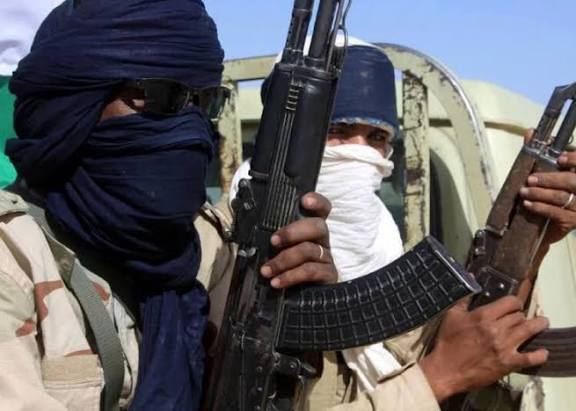
The group contrasted this with Fulani armed groups, whom they said are primarily involved in criminal activities such as kidnapping, cattle rustling, and murder, and, in some cases, terrorism. According to the publication, these groups operate with the intent to dominate and subjugate Nigeria’s ethnic nationalities, with less discernible political objectives than Niger‑Delta militants.
The Ijesaland group concluded that while amnesty for Niger‑Delta militants may have been justified, similar leniency should not apply to Fulani criminals. They urged federal and Southern state governments to expedite judicial processes and implement the death penalty for those convicted of serious crimes, including murder and crimes against humanity.