
November 19, 2024
By Abiodun Adeleke
Climate change remains an enormous setback to the control and eradication of malaria in Nigeria.
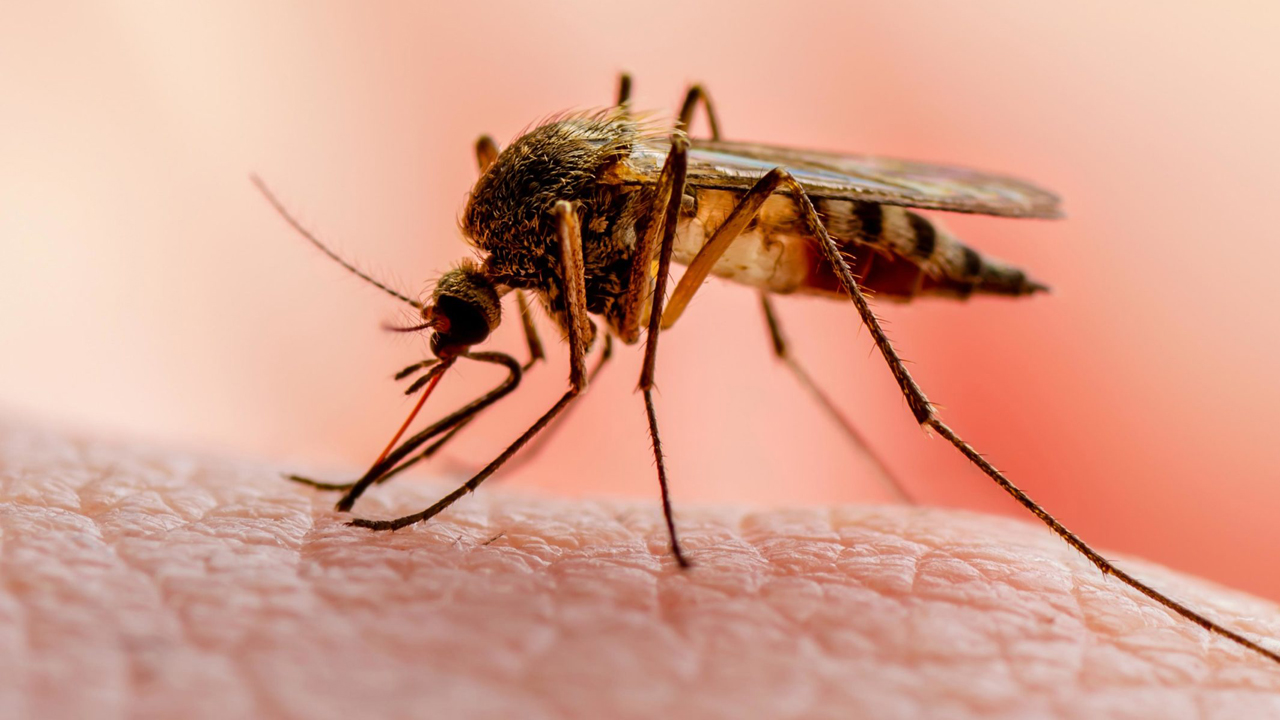
The rising temperatures, altered rainfall patterns, and humidities present ideal conditions for breeding malaria-transmitting mosquitoes, mainly Anopheles gambiae, the major vector in Africa. The expanding range of these mosquitoes means that regions previously less affected by malaria could see an upsurge in transmission, exacerbating Nigeria’s public health burden.
Key Drivers of Risk:
Temperature and Rainfall Variability: Warming trends extend the areas suitable for mosquito breeding beyond previously cooler areas. Increased rainfall with consequent pools of stagnant water provide more breeding sites, whereas droughts concentrate human populations near specific water sources, increasing the risks of transmission.
Changing Ecosystems: The process of urbanization and deforestation, coupled with climate change, is altering the ecosystems of mosquitoes, moving them closer to human settlements. This has shifted malaria transmission dynamics, with even urban centers facing increased risks.
Health System Strain: Climate-induced natural disasters, such as floods, further stress Nigeria’s healthcare system, reducing its capacity to combat malaria effectively. This is especially concerning in light of newly emerging variants of the malaria parasite and drug-resistant strains.
Mitigation Strategies:
Climate-Resilient Health Systems: The imperative is for the erection of systems that can withstand the vagaries of climate change.
It calls for enhanced disease surveillance, strengthening health infrastructure, and integrating climate considerations into public health policies.
Community Engagement and Education: Raising awareness on the processes of climate change as well as its health consequences can provide communities with opportunities for preventive measures, such as using bed nets treated with insecticides and eliminating sites for mosquito breeding.
International Collaboration: Nigeria needs global support for funding, technology transfer, and research toward the development of climate-adaptive interventions like malaria vaccines and advanced mosquito control strategies.
Broader Implications:
Climate change’s influence on malaria is an issue for the world, not just Nigeria, as increased connectivity through travel allows the risk of diseases to spread beyond endemic regions. To prevent these dual crises, collaboration and multisector approaches are highly needed.
Climate change mitigation and adaptation will be imperative for ensuring the health and wellbeing of Nigerians and, indeed, the greater African population. These actions are in line with global health objectives and the African Union’s Agenda 2063 for sustainable development.