
By Ademola Adekusibe
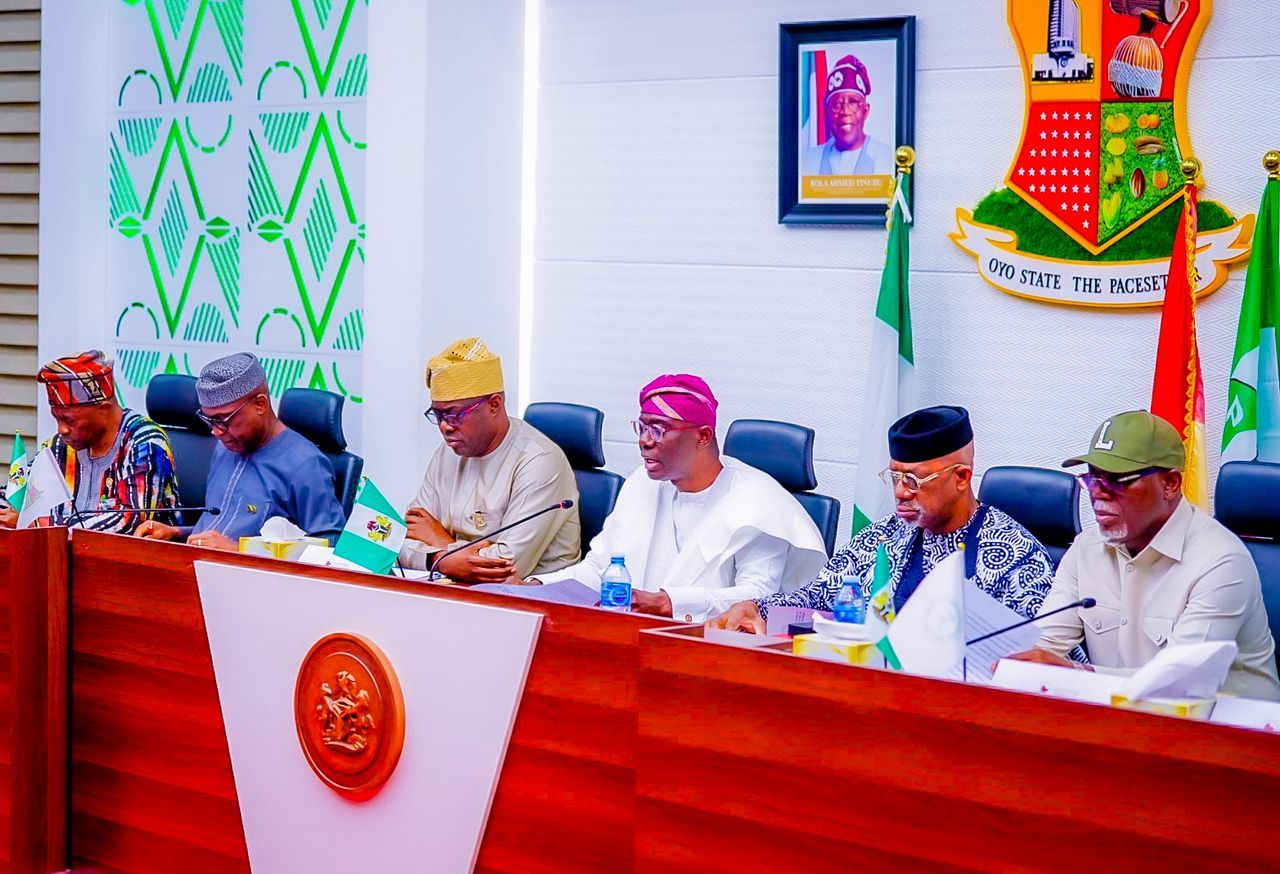
Governments in Nigeria’s South-West are beginning to outline plans for the establishment of state police, with Lagos and Ondo States identifying their existing security agencies as the foundation for their proposed policing structures.
The development follows the approval of the proposed constitutional amendment on state police by all 36 State Houses of Assembly, bringing the country closer to a major change in its security architecture. The amendment has been transmitted to President Bola Tinubu for consideration and assent.
According to a report by Leadership, Lagos State is considering the Lagos State Neighbourhood Safety Agency as the starting point for its proposed state police service. The Commissioner for Information and Strategy, Gbenga Omotoso, disclosed that Governor Babajide Sanwo-Olu had approved approximately 1,500 appointments to the agency as part of efforts to strengthen the state’s existing security framework.
The Lagos government believes that its neighbourhood safety structure provides an established platform that could support the development of a more comprehensive state policing system once the necessary legal framework is completed.
In Ondo State, the government has indicated that the Ondo State Security Network Agency, popularly known as Amotekun, will form the basis of its proposed state police service.
The State Commissioner for Information, Idowu Ajanaku, said the government intended to reposition Amotekun with some adjustments to enable it to operate within the proposed state policing framework. He explained that the existing structure, personnel and operational experience of the security outfit would provide a useful foundation for the transition.
However, the proposed transformation will require more than a change of name. Recruitment procedures, training standards, funding arrangements, operational guidelines and accountability mechanisms will have to be properly established to ensure that the new institution operates within the law.
Ogun State has also indicated that it possesses an existing security structure that could support the establishment of its own police service. Governor Dapo Abiodun previously disclosed that more than 6,000 personnel serving across the state’s Amotekun and So-Safe Corps could provide an experienced manpower base for the proposed arrangement.
The preparations across the region reflect growing efforts by state governments to develop security institutions capable of responding more directly to local threats, including kidnapping, armed robbery, banditry and other criminal activities.
The move towards state police has gained momentum following years of demands for decentralised policing, particularly from the South-West, where the establishment of Amotekun in 2020 marked a regional effort to strengthen local security in collaboration with conventional security agencies.
Despite the preparations, the legal distinction between existing security outfits and the proposed state police remains important. Approval of the constitutional amendment does not automatically convert Amotekun or neighbourhood security agencies into state police services. The proposed framework requires the establishment of legally recognised state police institutions, with clearly defined powers and oversight arrangements.
The proposed legislation also provides for safeguards intended to prevent the misuse of state police. These include provisions concerning the appointment and supervision of state police commissioners, the exercise of lawful directives by governors and restrictions against using police powers to intimidate political opponents or citizens exercising their constitutional rights.
For Lagos and Ondo, the next stage will involve translating their existing security arrangements into institutions that meet the legal and operational requirements of the new policing framework.
While the establishment of state police is expected to bring security administration closer to communities, its effectiveness will depend on adequate funding, professional recruitment, proper training, political neutrality and accountability.
The coming months will therefore be crucial as the states move from preliminary preparations towards establishing their proposed police services.