
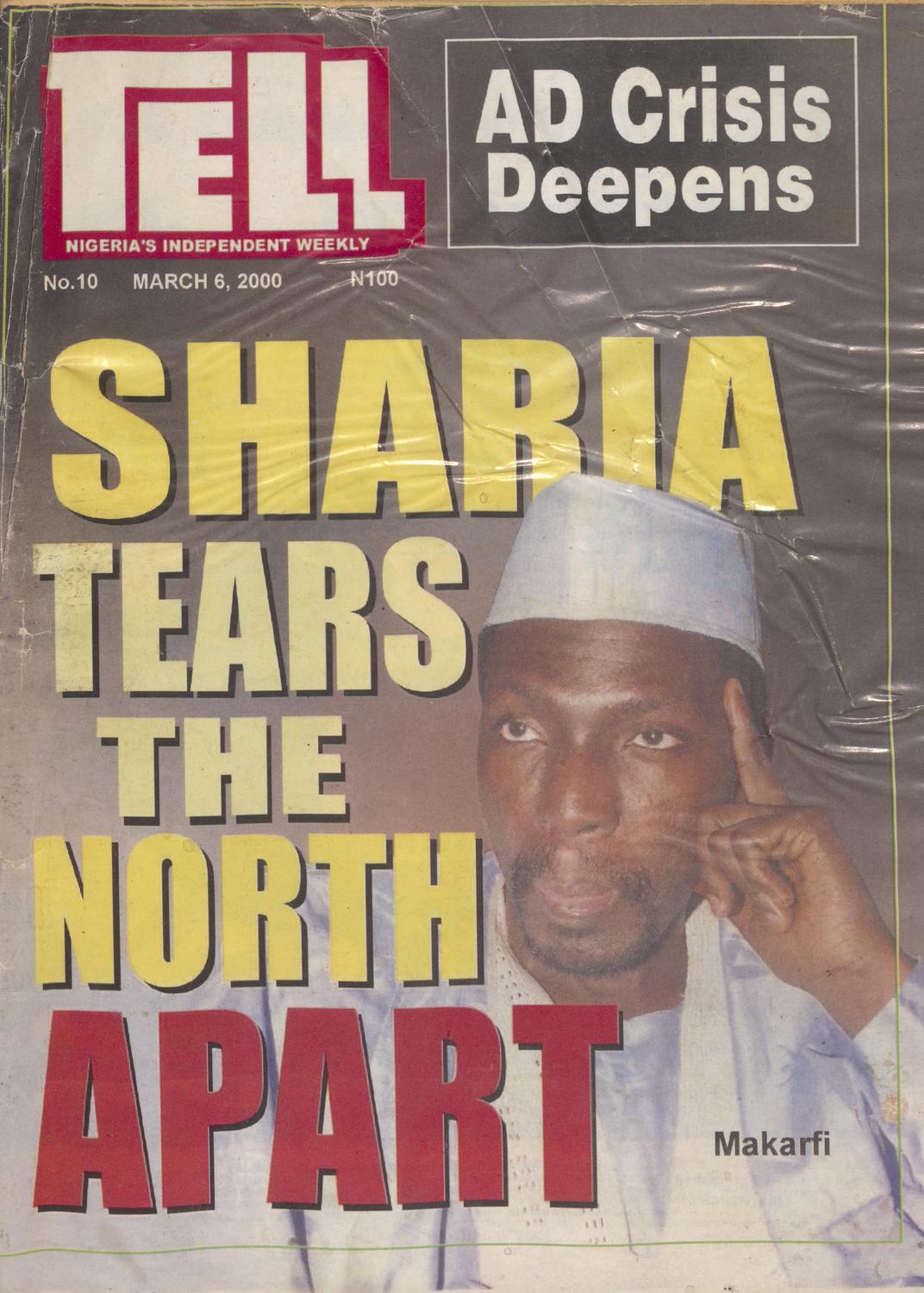
In February 2000, what began as peaceful opposition to the introduction of Sharia law in Kaduna State spiraled into one of the most violent religious clashes in Nigeria’s history, leaving hundreds dead and communities torn apart.
According to a detailed report by TELL magazine, the crisis erupted on Monday, February 21, when thousands of Christians marched through Kaduna to protest the state government’s plan to implement Sharia law. The protesters moved from the central market toward the House of Assembly and Government House, overpowering security personnel and leaving graffiti such as “No Sharia” and “RIP Sharia” in their wake.
How the Violence Erupted
As the protesters dispersed, they ran into Muslim groups around Leventis Roundabout along Ahmadu Bello Way. Violence erupted almost immediately, and the city descended into chaos within hours.
Gunfire spread across neighborhoods including Ungwar Rimi, Tudun Wada, and Barnawa. By Wednesday morning, shooting still echoed across parts of the city. Official figures initially placed the death toll low, but Tafa Balogun, Assistant Inspector-General of Police in charge of Zone One, later confirmed at least 13 dead. However, independent monitors believed the death toll exceeded 500.
The Destruction
Entire sections of Kaduna were devastated:
· Burnt cars littered Constitution Road
· Dabo Motors was completely razed
· Dozens of vehicles were destroyed at nearby car dealerships
· Electronics shops along Ahmadu Bello Way and Lagos Street were looted and vandalized
· Truth and Life Gospel Church was razed
· Mosques, hotels, and guest houses across Kabala Costain, Tudun Wada, Ungwar Rimi, Katsina Road, and Kawo were destroyed
Business Owners Hit Hardest
Goddy Anyanwu, a Kaduna-based businessman, recounted how he lost property and vehicles before fleeing to the 1 Mechanised Division of the Nigerian Army in Kawo for safety.
“See wetin Hausa do us?” some Igbo youths reportedly cried as they watched their shops burn, reinforcing fears that Igbo residents were again among the first victims of northern unrest.
Security Sources Weigh In
Security sources insisted the conflict went beyond religion. One military officer involved in the investigation confirmed that many of those responsible had been arrested and that guns and other offensive weapons were used during the clashes.
Aftermath
By the time soldiers restored order and a dusk-to-dawn curfew was imposed, Kaduna had been left shattered — streets filled with rubble, burnt vehicles, and the lingering trauma of one of the city’s most destructive sectarian conflicts.
Read the full story in TELL magazine editions from page 15.