
Sunday, May 17, 2026
FB X LI YT
Breaking
MAP 🇳🇬🚆: South West rail network showing planned corridors linking Lagos, Ogun, Oyo, Osun, Ondo and Ekiti under regional rail expansion plan. 🇳🇬🌄 Iyake Lake in Ado-Awaiye, Oyo State—rare elevated mountain lake associated with fertility beliefs and Yoruba tradition, rooted in centuries-old local heritage Oyo APC Primaries: Shadipe in Trouble as Gbolagade Semiu Shocks Incumbent in Oluyole Oyo APC Primaries: Incumbent Tolu Shadipe Loses Ticket as Gbolagade Abiodun Semiu Triumphs in Oluyole Oyo APC Primaries: Incumbent Tolu Shadipe Loses Ticket as Gbolagade Abiodun Semiu Triumphs in Oluyole JUST IN 🇳🇬⚖️: X User “Swanky” Jailed 2 Years – Samuel Adeboye Adeyeye convicted for fake death claim targeting Adekunle Gold and Simi’s daughter Deja BREAKING 🇳🇬🚨: Ogun Police Kill Two Suspected Kidnappers, Arrest Kingpin, Recover ₦1.5million Ransom. BREAKING 🇳🇬💥: ISWAP Bomb Makers Killed in Premature Explosion in Borno State – Six members neutralised after an IED detonated during preparation, wiping out the group’s bomb unit.
NEWS

Oil Companies May Pay N19bn Fine for Gas Flaring –NOSDRA

August 31, 2023 1 min read

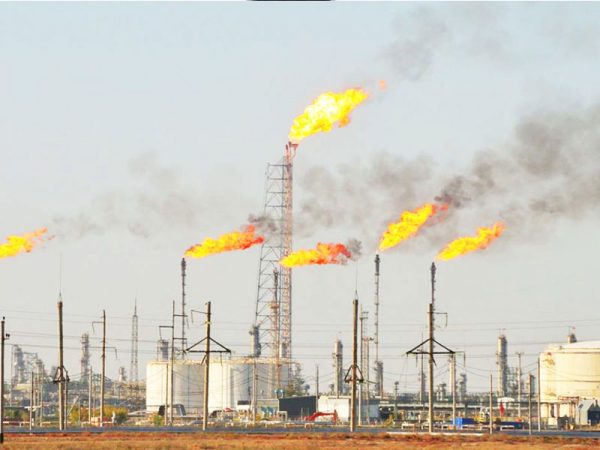
Oil companies that fail to meet the country’s zero gas flare rate are subject to fines totalling $25.3m, equivalent to N19.4 billion (N768.77/$).

According to the latest data from the National Oil Spill Detection and Response Agency, the N19.4bn fine showed that the companies flared 12.7 million standard cubic feet of gas in July 2023.

This represented a 35 per cent increase when compared to 9.4 mscf of gas flared in the same period last year.

NOSDRA put the value of the 12.7 MSCF flared at $44.3m, an equivalent of N34.1bn going by the Central Bank of Nigeria’s current official exchange rate.

The volume of gas flared during the period under review was equivalent to carbon dioxide emission of 673.1 thousand tonnes; and had a power generation potential of 1,300 gigawatts hours.

Giving a further breakdown of the volume of gas flared across oilfields, NOSDRA reported that companies operating offshore sparked 5.1 mscf while companies operating onshore flared 7.6 mscf.

NOSDRA lamented that despite efforts to reduce gas flaring, it had continued in Nigeria since the 1950s, releasing carbon dioxide and other gaseous substances into the atmosphere.