
Saturday, June 13, 2026
FB X LI YT
Breaking
ABIOLA AND THE ANCIENT JOURNEY OF JUNE 12 – By Dare Babarinsa, CON Otunba Bimbo Ashiru, Group Chairman of Oodua Investment Company Limited, speaks at the Think Yoruba First 4th Global Conference. A proud moment for Yoruba land as he addresses the gathering on regional unity and progress. Representative from the DAWN Commission speaks at the Think Yoruba First 4th Global Conference, addressing the gathering on regional integration, collaboration with Think Yoruba First, and the future of Yoruba land in a multipolar world. The event was held in partnership with the DAWN Commission. Otunba Deji Osibogun, Convener of Yoruba Koya Leadership and Training Foundation, speaks at the Think Yoruba First 4th Global Conference. He addressed the gathering on leadership development, grassroots mobilisation, and the urgent need to build the next generation of Yoruba leaders. Oba Francis Olusola Alao, the Olugbon of Orile-Igbon Kingdom, speaks at the Think Yoruba First 4th Global Conference. The royal father spoke on the critical role of traditional institutions in securing the nation and praised Think Yoruba First for their tireless work in advancing the cause of Yoruba land, declaring that the movement is the future of Yoruba progress and unity. “No One Is More Qualified Than Me” – Senator Dickson Declares Obi Not Doing NDC Any Favour Caribbean Nation Opens Doors: Grenada Grants Nigerians Visa-Free Access, Seeks Direct Flights and Investment Economic Invasion, Physical and Psychological Warfare on Yoruba Land
NEWS

Niger‑Delta militants different from Fulani bandits, terrorists, herders—Ijesaland group urges death penalty for criminals

November 30, 2025 2 min read

By Ademola Adekusibe
30th November 2025

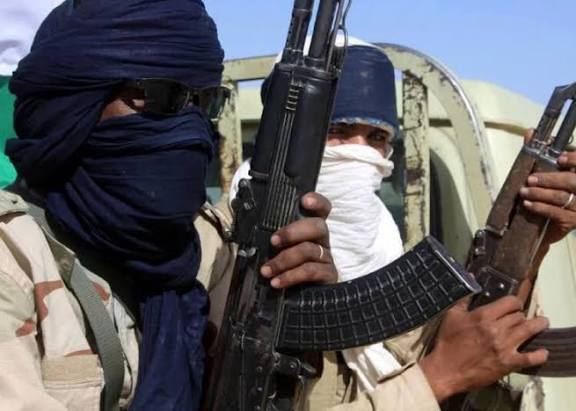
A Southern Nigerian group from Ijesaland has called for a clear distinction between Niger‑Delta militants and Fulani armed groups, including bandits, terrorists, and herders, stressing that their motivations and activities are fundamentally different.

In a publication titled “Distinguishing the Niger‑Delta Militants from Fulani Bandits, Terrorists and Herders; and the Issue of Amnesty,” the group noted that Niger‑Delta militancy historically arose from grievances over environmental degradation, loss of livelihoods due to oil spills, and perceived exploitation of the region’s resources without adequate compensation. The 2009 amnesty programme, which offered pardons and reintegration incentives to militants who surrendered their weapons, was described as a political response aimed at curbing violence.

The group contrasted this with Fulani armed groups, whom they said are primarily involved in criminal activities such as kidnapping, cattle rustling, and murder, and, in some cases, terrorism. According to the publication, these groups operate with the intent to dominate and subjugate Nigeria’s ethnic nationalities, with less discernible political objectives than Niger‑Delta militants.

The Ijesaland group concluded that while amnesty for Niger‑Delta militants may have been justified, similar leniency should not apply to Fulani criminals. They urged federal and Southern state governments to expedite judicial processes and implement the death penalty for those convicted of serious crimes, including murder and crimes against humanity.