
The Muslim Rights Concern (MURIC), an Islamic human rights group, has expressed its support for the Lagos State House of Assembly’s initiative to enact new laws aimed at safeguarding the interests of indigenous people in the state. In a statement released on June 12, 2023, MURIC’s Executive Director, Professor Ishaq Akintola, endorsed the proposed legislation.
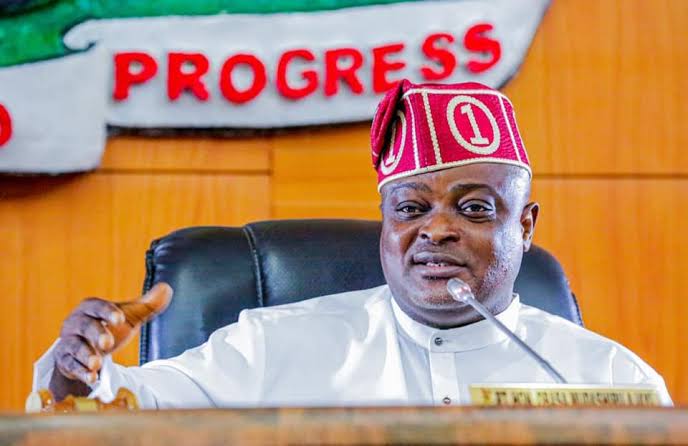
The Speaker of the Lagos State House of Assembly, Mudashiru Obasa, announced on June 5, 2023, that the state intended to establish laws to protect its indigenes. Obasa, during his acceptance speech after being unanimously elected as the assembly’s speaker for a third term, hinted at the inclusion of laws and resolutions pertaining to the economy, commerce, property, and titles. He emphasized the need to “reverse all that are reversible” in order to safeguard the interests of the indigenes.
MURIC’s statement highlighted that enacting laws to protect indigenous people is not a novel concept. Numerous advanced societies worldwide have implemented similar measures. Historical examples include Britain’s Exclusion Bill in the late 17th century and America’s Exclusion Act in the late 19th century, both enacted to safeguard the interests of locals.
The statement argued that responsible governments have a duty to protect their indigenes when there is a perceived threat to their cultural and historical heritage. It further emphasized that such protective measures already exist in various regions of Nigeria, albeit in informal practices. The aim of Lagos’ proposed legislation is to formalize and codify these protective conventions into written laws.MURIC contended that civilized societies strive to shield their indigenes from the negative impacts of globalization, viewing it as the government’s responsibility to defend their constituents.
Therefore, the organization expressed its support for any legislation that protects the citizenry, particularly indigenes and vulnerable members of society. MURIC called upon members of the Lagos House of Assembly to collaborate with Speaker Obasa and expedite the passage of the exclusion and protection bill.The statement emphasized that every state in Nigeria should seek ways to protect the heritage of its indigenes.
Lagos, being a leading state, should take the initiative, serving as an example for others to follow suit. MURIC urged Governor Babajide Sanwo-Olu to promptly act upon the bill’s passage, highlighting the urgency of cleansing Lagos from complacency, excessive liberalism, indiscipline, and impunity. The organization emphasized that decisive action is necessary to preserve the ancestral heritage and ensure the benefit of indigenes, preventing their exploitation by opportunistic individuals.