
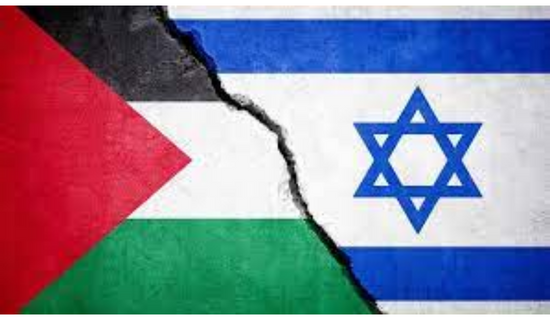
Israeli strikes on the Gaza Strip since Hamas’s attack on southern Israel one week ago have killed, at least, 2,215 people, including 724 children.
Some 458 women were among those killed, the ministry said.
It added that 8,714 people had also been wounded after an earlier statement said at least 324 people were killed in the past 24 hours alone.
Prime Minister, Benjamin Netanyahu, said the bombardment was “just the beginning” as Israel sought to retaliate against Hamas after their fighters killed more than 1,300 people a week ago.
More than 1,300 buildings in the Gaza Strip have been destroyed so far, the United Nations said Saturday.
The UN’s humanitarian agency OCHA said: “5,540 housing units” in those buildings were destroyed and nearly 3,750 more homes were so badly damaged they were uninhabitable.
“According to the Gaza Ministry of Public Works, 1,324 residential and non-residential buildings, comprising 5,540 housing units, have been destroyed,” OCHA said, adding “Another 3,743 housing units have been damaged beyond repair and rendered uninhabitable.”
A further 55,000 housing units have been partially damaged, said OCHA.
The UN has been monitoring the number of people displaced from their homes within the Gaza Strip, with more than 423,000 recorded by the end of Thursday.
Israel then warned that some 1.1 million people in the north of the enclave quickly needed to evacuate to the south, ahead of an expected ground offensive.
As of 1800 GMT Friday, “it is estimated that tens of thousands have fled”, OCHA said.
“Currently, the precise scope of internally displaced persons in the Gaza Strip is unknown,” it said.
Citing the Palestinian health ministry, it said: “vehicles of those evacuating the north were hit, killing more than 40 people and injuring 150 others.
“These incidents prompted many people to abandon their evacuation efforts and return home.
“No safe corridors were initially provided for people to safely comply with the orders to move southwards. Hundreds of people, including families, had to flee on foot.”
OCHA said most people in the Gaza Strip were now without access to clean drinking water.
“As a last resort, people are consuming brackish water from agricultural wells, triggering serious concerns about the spread of waterborne diseases”, it said.
OCHA said that since the start of hostilities, six water wells, three water pumping stations, one water reservoir, and one desalination plant serving over 1,100,000 people had been damaged by air strikes.
The full electricity blackout has brought essential health, water and sanitation services “to the brink of collapse”, and exacerbated food insecurity, it said.
AFP