
November 17, 2025
By Ayinde Adeleke
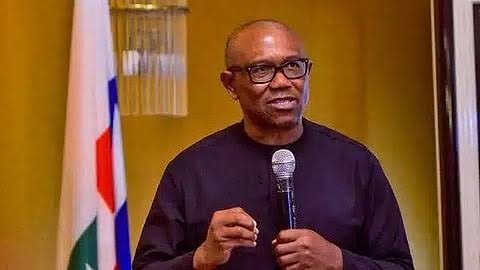
A fresh controversy has erupted between the Presidency and Labour Party presidential candidate in the 2023 elections, Peter Obi, over the size of Nigeria’s delegation to the COP30 Climate Summit.
The clash began after Obi criticised the Federal Government for approving a 423-man contingent for the global climate conference scheduled to hold later this year. Obi argued that Nigeria, facing economic strain and rising public debt, should not fund such a large delegation, describing the move as wasteful and insensitive.
In a statement on Sunday, the former Anambra State governor said climate conferences should be used to advance national interests, attract green investments, and strengthen environmental policy, not to “sponsor political allies, hangers-on, or tourists.”
The Presidency swiftly rejected Obi’s claims, insisting that his comments were misleading and failed to reflect the structure of international climate events. Presidential spokespersons explained that Nigeria did not fund the entire 423-person list, noting that the official government delegation was significantly smaller, while the remainder comprised delegates sponsored by states, private organisations, civil society groups, and climate-focused NGOs.
According to the Presidency, participation at COP meetings is open to multiple sectors, and the country’s representation reflects Nigeria’s broad stakeholder involvement in climate negotiations.
Government officials further defended the size of the delegation, saying Nigeria stands to benefit from climate financing opportunities, technology transfers, and international partnerships opportunities they argue require strong multisectoral representation.
Obi, however, has maintained his position, urging the government to prioritise fiscal discipline and reduce the cost of governance. He criticised what he described as “a culture of excessive foreign trips” and called for a smaller, more efficient delegation focused strictly on climate diplomacy.
The exchange has sparked public debate, with analysts split between the need for broad participation in global climate policy and concerns over the cost implications of large foreign delegations in a struggling economy.