
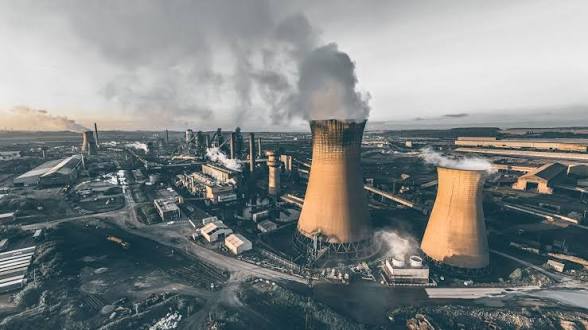
Beijing has fiercely condemned the UK government’s decision to nationalise British Steel, warning that the state takeover undermines Chinese investor confidence and breaches international legal obligations.
The diplomatic backlash follows the UK government’s move to bring the loss-making Scunthorpe steelworks into public hands, a decision ministers described as safeguarding a “vital national capability.” The facility, though previously placed under operational state control, remained under the ownership of China’s Jingye Group.
China’s commerce ministry declared the intervention “seriously infringed upon Jingye’s legitimate rights and interests and severely undermined the confidence of Chinese companies investing in the UK.” Beijing has called on London to “faithfully fulfil” its commitments under the 1986 China-UK Bilateral Investment Treaty.
“Disregarding Jingye’s significant contribution to the UK economy and society, the British side forcibly took control of the company in the name of national security,” the ministry said.
The dispute presents an immediate foreign policy challenge for incoming Prime Minister Andy Burnham, who assumes office on Monday. The row threatens to severely strain China-UK relations at a moment of political transition in London.
The UK government has defended the move, citing national security and industrial sovereignty. However, the nationalisation carries a heavy fiscal burden. The National Audit Office reported in March that the Scunthorpe steelworks was costing the government about £1.3 million a day.
Jingye, which previously stated the business was losing £700,000 a day, is seeking damages. Business Secretary Peter Kyle confirmed the state would fund running costs “for the immediate future.”
The Scunthorpe site directly employs 2,700 people and produces specialised steel required by Network Rail and the construction sector. Without its blast furnaces, the UK would become the sole G7 nation incapable of producing virgin steel.