
-Is this the last chance for a global deal to save Nature?
By Samuel Ogunsona
In less than two weeks, leaders from around the globe will converge in Cali, Colombia, for the highly anticipated Convention for Biological Diversity COP16.
This crucial summit comes at a critical time, with the world facing unprecedented biodiversity loss and ecosystem degradation.
The question on everyone’s mind is: will this be the last chance for a global deal to save nature?
The stakes are high, with only 10% of signatories to the Convention on Biological Diversity (CBD) having released their national biodiversity action plans.
Many poorer countries lack the resources to develop and implement these plans, while others, like Brazil, face criticism for their slow progress.
Key issues on deck includes but not limited to financing the deal where rich countries are under pressure to deliver on their commitment to mobilize $20 billion in new financing for nature by 2025, global south negotiators pushing for pharmaceutical and cosmetics companies to pay for genetic information derived from plants and also agricultural subsidies where 90% of the $540 billion spent on agricultural subsidies annually harm nature, people, and the climate.
Implementation of the global deal has been slow, with only 10% of signatories releasing their national biodiversity action plans. Many poorer countries lack the resources to develop and implement these plans, while others, like Brazil, face criticism for their slow progress.
Rich countries are under pressure to deliver on their commitment to mobilize $20 billion in new financing for nature by 2025. Studies suggest that current funding levels are significantly short of this target. Failure to secure adequate financing could undermine trust between the global north and south.
Global south negotiators, led by Brazil, are pushing for pharmaceutical and cosmetics companies to pay for genetic information derived from plants. These companies rely heavily on this data to develop products, but currently, they are not obligated to compensate countries of origin.
Agriculture is the primary driver of biodiversity loss, with almost 90% of the $540 billion spent on agricultural subsidies annually harming nature, people, and the climate.
Smallholder farmers from Africa, Asia, and Latin America are urging leaders to support nature-friendly farming practices, such as agroecology.
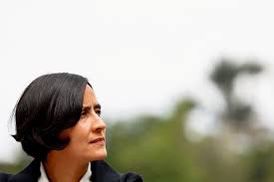
COP16 President Susana Mohamed, formerly a Shell employee, is using the summit to advocate for an end to polluting fuels.
Colombia aims to leverage the summit to push countries to phase out fossil fuels and transition to renewable energy.
Indigenous leaders from nine Amazonian countries, the G9, are holding countries accountable for their commitments to protect biodiversity and phase out fossil fuels. Economist Vera Songwe, ecologist Thomas Crowther, and Co-Chair of the International Indigenous Forum on Biodiversity joined a panel discussion to dissect the stakes and challenges facing COP16.
Further more, experts emphasize the need for concrete action and commitment from world leaders.
Economist Vera Songwe, ecologist Thomas Crowther, and Co-Chair of the International Indigenous Forum on Biodiversity will join a panel discussion to dissect the stakes and challenges facing COP16.
The success of COP16 hinges on countries’ willingness to work together to address the biodiversity crisis. Will world leaders seize this opportunity to secure a global deal for nature, or will it slip through their fingers? Only time will tell.
However, Colombia’s President Susana Mohamed will use the summit to push for an end to polluting fuels, while Indigenous leaders from the Amazon region will hold countries accountable for their commitments.
As the world watches, one thing is clear, the success of COP16 hinges on countries’ willingness to take concrete action and deliver on their promises.