By Ademola Adekusibe
January 3, 2026
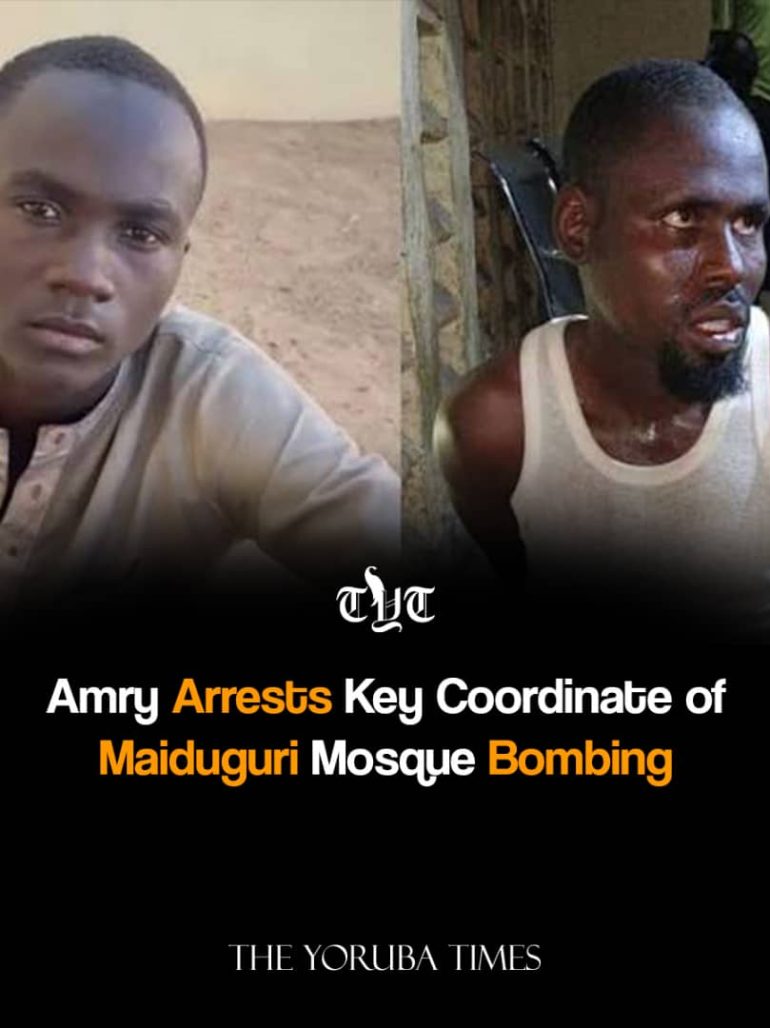
Troops of Operation Hadin Kai have arrested Shariff Umar, also known as Yusuf, identified as the key coordinator of a suicide bombing network responsible for recent attacks and attempted attacks in Nigeria’s North-East.
The Nigerian Army disclosed this in a statement on Friday following intelligence-led cordon-and-search operations carried out in the Kalmari area of Maiduguri on December 31, 2025.
According to the statement, the operation led to the arrest of 14 suspects linked to suicide bombing activities. Subsequent investigations uncovered the structure, roles, and operational linkages of the terror cell.
A suspected suicide bomber currently in custody, identified as Ibrahim Muhammad, reportedly named Shariff Umar as the ringleader who recruited, prepared, and dispatched suicide bombers to assigned targets.
The Army said consistent and corroborated statements revealed that Umar coordinated logistics and the delivery of improvised explosive device components used in suicide attacks.
Investigations further established that Umar directly coordinated the suicide bombing at the Gamboru Market Mosque on December 24, 2025, where his accomplice, identified as Adamu, detonated a suicide vest and died at the scene.
He was also linked to a foiled suicide bombing attempt in Damaturu, with investigators confirming that Umar personally handed over IED components to the would-be bomber in Maiduguri.
Further intelligence reportedly revealed the involvement of Umar’s wife, Yagana Modu, while his stepdaughter, Amina, confirmed seeing the suspected bomber at their residence prior to the attack. The Army said this exposed the domestic and community-based concealment methods employed by terrorist facilitators.
All suspects remain in custody and are undergoing intensive investigation as security forces work to dismantle the network, identify additional collaborators, and recover any remaining explosives or logistical support.
The Army stressed that the development highlights the importance of cooperation between security agencies and civilians, noting that terrorist networks often survive by hiding within communities. It urged members of the public to remain vigilant and promptly report suspicious persons or activities to security agencies, adding that sustained public cooperation is critical to preventing attacks and restoring lasting peace in the region.