
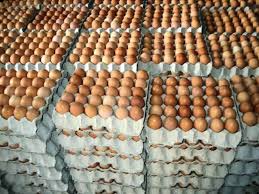
The Feed Industry Practitioners Association of Nigeria (FIPAN), representing feed millers in the country, has expressed concern about the future of the poultry industry in Nigeria, while hinting at looming scarcity of eggs, chicken and other livestock due to unavailability and increasing cost of maize and soybean.
President of FIPAN, Raymond Isidinaso, while addressing journalists recently said that the soaring prices of eggs, chicken, fish, and other poultry products were largely attributable to scarcity of maize and soybean.
He noted that these two ingredients were essential in the production of poultry feed, adding that their shortage had resulted in increased costs.
Isidinaso, emphasised that there would soon be scarcity of eggs, chicken, and other livestock due to the unavailability and rising cost of maize and soybeans, which were crucial for livestock feed production.
In response to this, FIPAN had called on the Federal Government for immediate intervention by releasing grains from the nation’s reserve in order to alleviate the challenges faced by the industry.
The association also expressed concern about the potential increase in unemployment if the industry were to collapse, as it currently contributes approximately 45 percent of the nation’s labour force.
In an effort to mitigate the impending food crisis, Isidinaso, representing FIPAN came up with certain recommendations, including demanding the immediate halt of soybean seed export and calling for intervention in the importation of maize for livestock feeds.