December 1, 2025
By Ayinde Adeleke
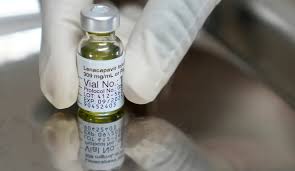
African health authorities have begun administering Lenacapavir, a groundbreaking HIV-prevention injection that has shown remarkable success in reducing the risk of HIV transmission by more than 99.9 percent. The long-acting drug, taken just twice a year, is being described by medical experts as one of the most significant advancements in HIV prevention to date, with its effectiveness making it “functionally comparable to a powerful vaccine.”
The rollout officially commenced today in South Africa, Eswatini, and Zambia, three countries with some of the highest HIV prevalence rates globally. Public health officials say the introduction of Lenacapavir represents a major step forward in the continent’s ongoing efforts to curb new infections and expand access to reliable preventive care.
Developed as a biannual injection, Lenacapavir works by blocking the virus from replicating in the body, offering long-term protection for individuals at high risk of exposure. Its extended dosing schedule is expected to improve adherence, particularly among vulnerable groups who may struggle with daily or monthly medication routines.
Regional health ministries have expressed optimism that the new injection will significantly reduce transmission rates, ease the burden on healthcare systems, and accelerate progress towards achieving global HIV-reduction targets. International health partners and donor agencies have also pledged support to ensure equitable access as more African countries prepare to join the rollout.
The introduction of Lenacapavir has been widely praised by public health advocates as a transformative milestone for HIV prevention in Africa, with experts calling it a critical tool in the continent’s fight to end new infections in the coming decades.